Professional Precision Machining Company - Advanced CNC Manufacturing Services

All Categories

Get a Free Quote

Our representative will contact you soon.
Email
Mobile/WhatsApp
Name
Company Name
Message
0/1000

precision machining company

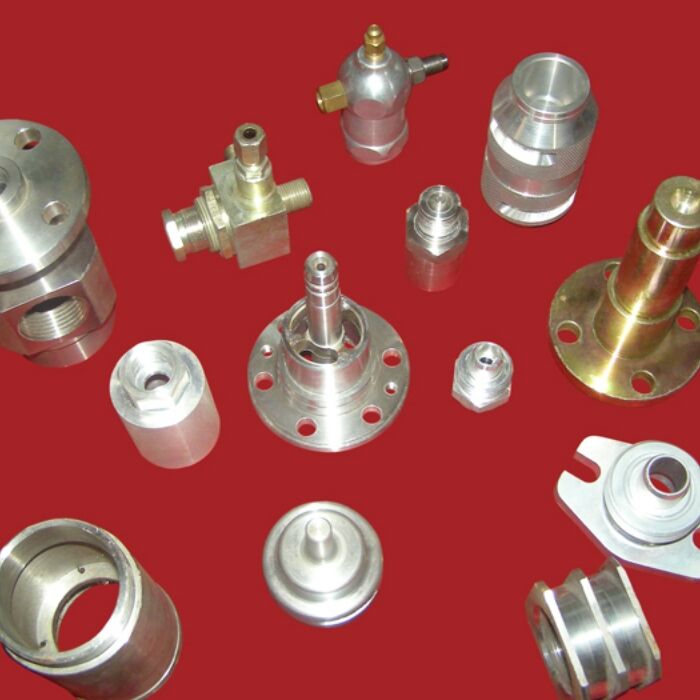
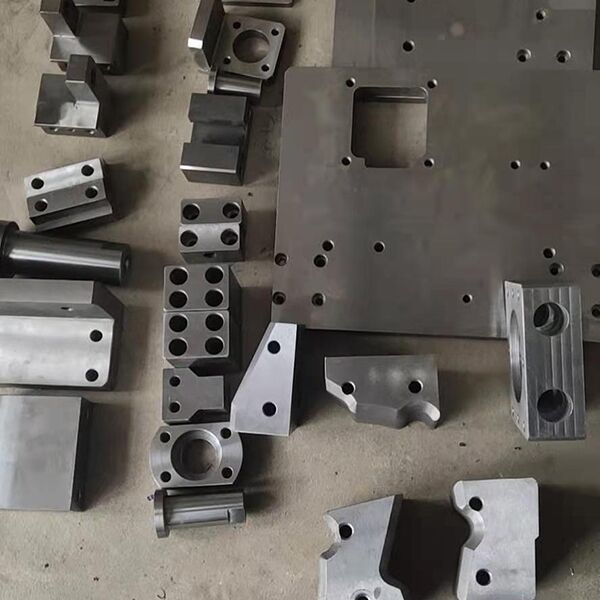
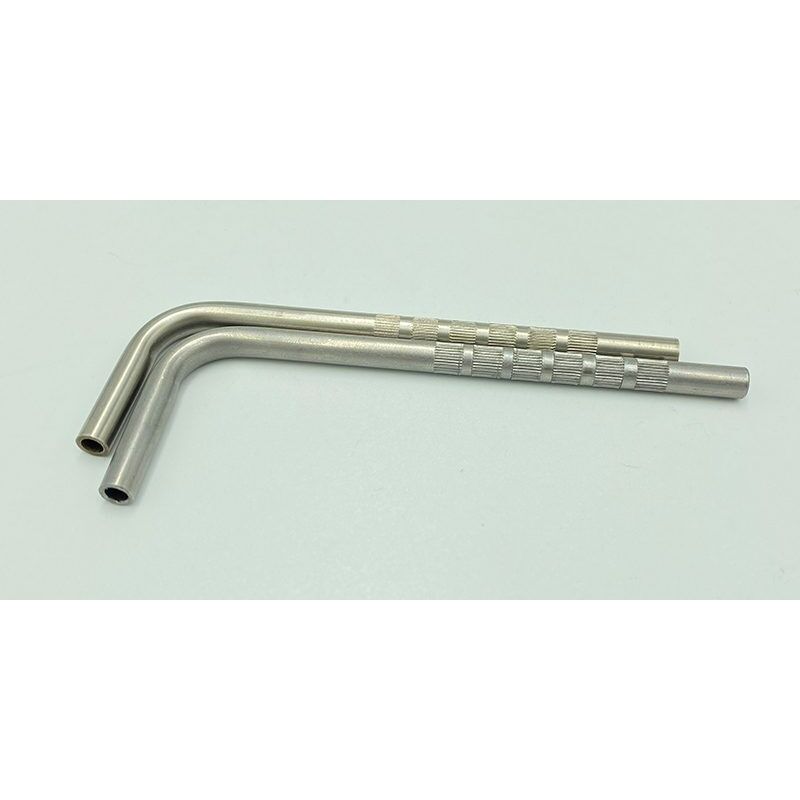
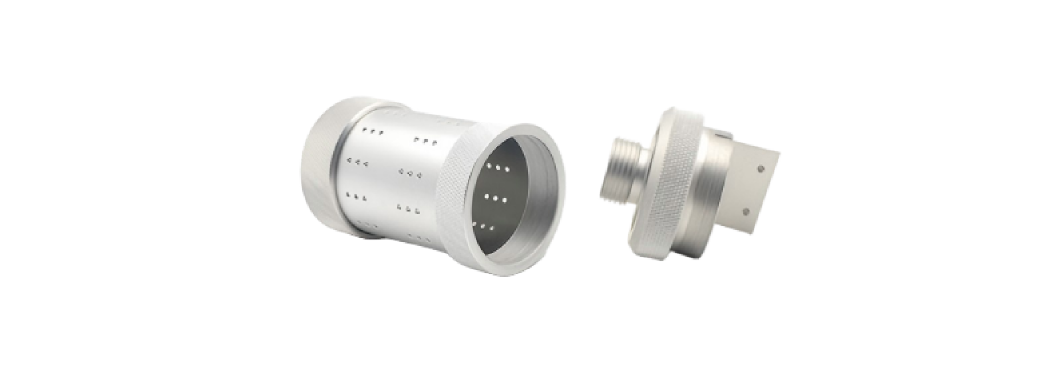
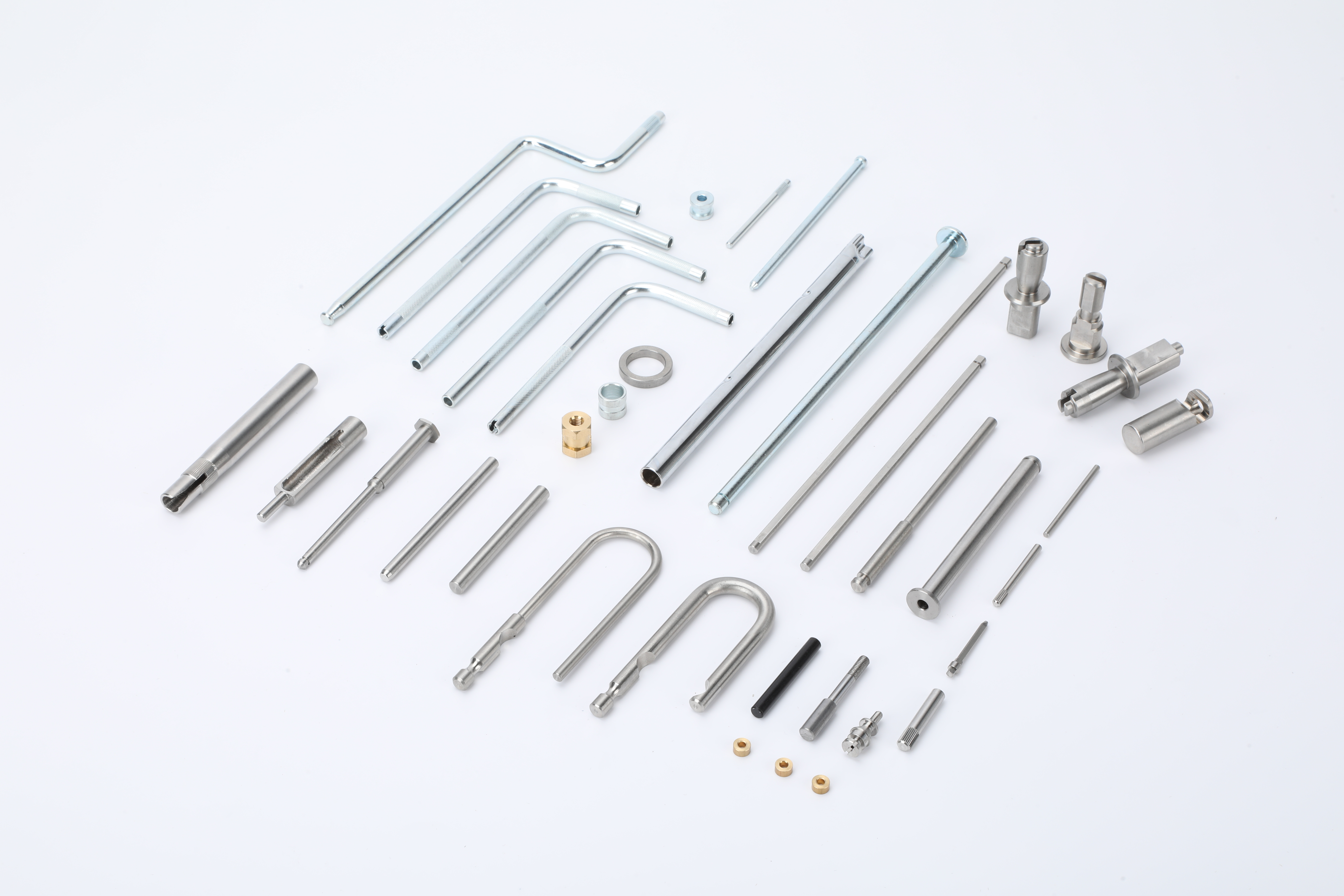
A precision machining company serves as a specialized manufacturing partner that transforms raw materials into highly accurate components through advanced mechanical processes. These companies utilize state-of-the-art computer numerical control (CNC) equipment, sophisticated measuring instruments, and skilled technicians to produce parts that meet exact specifications with tolerances often measured in thousandths of an inch. The core function of a precision machining company revolves around subtractive manufacturing, where material is systematically removed from workpieces to achieve desired dimensions, surface finishes, and geometric properties. Modern precision machining companies employ multi-axis CNC machines, turning centers, milling machines, and grinding equipment that operate under computer control to ensure consistent quality and repeatability. These facilities typically maintain climate-controlled environments to minimize thermal expansion effects on both machinery and workpieces, ensuring dimensional stability throughout the manufacturing process. Quality control systems integrate coordinate measuring machines, optical comparators, and surface roughness testers to verify that finished components meet customer specifications. The technological backbone of a precision machining company includes CAD/CAM software systems that translate engineering drawings into machine code, enabling seamless transition from design to production. Advanced tooling strategies, including carbide and ceramic cutting tools, high-speed spindles, and flood coolant systems, allow these companies to machine a diverse range of materials including aluminum, steel, titanium, plastics, and exotic alloys. Applications span numerous industries where precision is paramount, including aerospace components like turbine blades and structural brackets, medical devices such as surgical instruments and implantable hardware, automotive parts including fuel injectors and transmission components, electronics housings for sensitive equipment, and defense applications requiring strict adherence to military specifications. The precision machining company serves as a critical link in modern manufacturing supply chains, enabling product innovation through their ability to produce complex geometries that would be impossible or cost-prohibitive using conventional manufacturing methods.

New Products

The primary advantages of partnering with a precision machining company center on their ability to deliver exceptional accuracy, consistency, and reliability that directly impacts your product quality and business success. These companies invest heavily in advanced equipment and skilled personnel, providing you access to capabilities that would require substantial capital investment if developed internally. Cost efficiency represents a major benefit, as precision machining companies leverage economies of scale, specialized expertise, and optimized processes to deliver components at competitive prices while maintaining superior quality standards. Their established supply chains for raw materials and tooling often result in better pricing and availability than individual companies could achieve independently. Speed to market becomes a significant competitive advantage when working with experienced precision machining companies that understand manufacturing workflows, can identify potential design issues early, and suggest improvements that enhance manufacturability without compromising functionality. Quality assurance systems embedded within precision machining companies provide rigorous inspection protocols, documented traceability, and statistical process control that ensures every component meets specifications consistently. This reliability reduces your quality control burden and minimizes the risk of field failures or customer complaints. Flexibility in production volumes allows precision machining companies to accommodate prototype quantities for product development, medium runs for market testing, and large-scale production without requiring separate vendor relationships. Material expertise within precision machining companies enables them to recommend optimal materials for specific applications, potentially improving performance while reducing costs. Their knowledge of material properties, machinability characteristics, and processing requirements helps avoid costly material selection mistakes. Technical support throughout the product development process adds value beyond basic manufacturing services, as experienced precision machining companies can suggest design modifications that improve manufacturability, reduce costs, or enhance performance. Regulatory compliance becomes simplified when working with precision machining companies that understand industry standards, certification requirements, and documentation needs for sectors like aerospace, medical devices, and automotive applications. Risk mitigation occurs through their established quality systems, insurance coverage, and operational redundancies that protect against supply disruptions. Geographic proximity options allow many precision machining companies to provide local support, reducing shipping costs and lead times while facilitating better communication and collaboration on complex projects.

Latest News

How To Determine The Chemical Stability Of Materials

10

Mar

How To Determine The Chemical Stability Of Materials

View More
How To Choose Appropriate Automotive Parts According To Testing Standards

10

Mar

How To Choose Appropriate Automotive Parts According To Testing Standards

View More

Get a Free Quote

Our representative will contact you soon.
Email
Mobile/WhatsApp
Name
Company Name
Message
0/1000

precision machining company

Advanced CNC Technology and Equipment Capabilities

Advanced CNC Technology and Equipment Capabilities

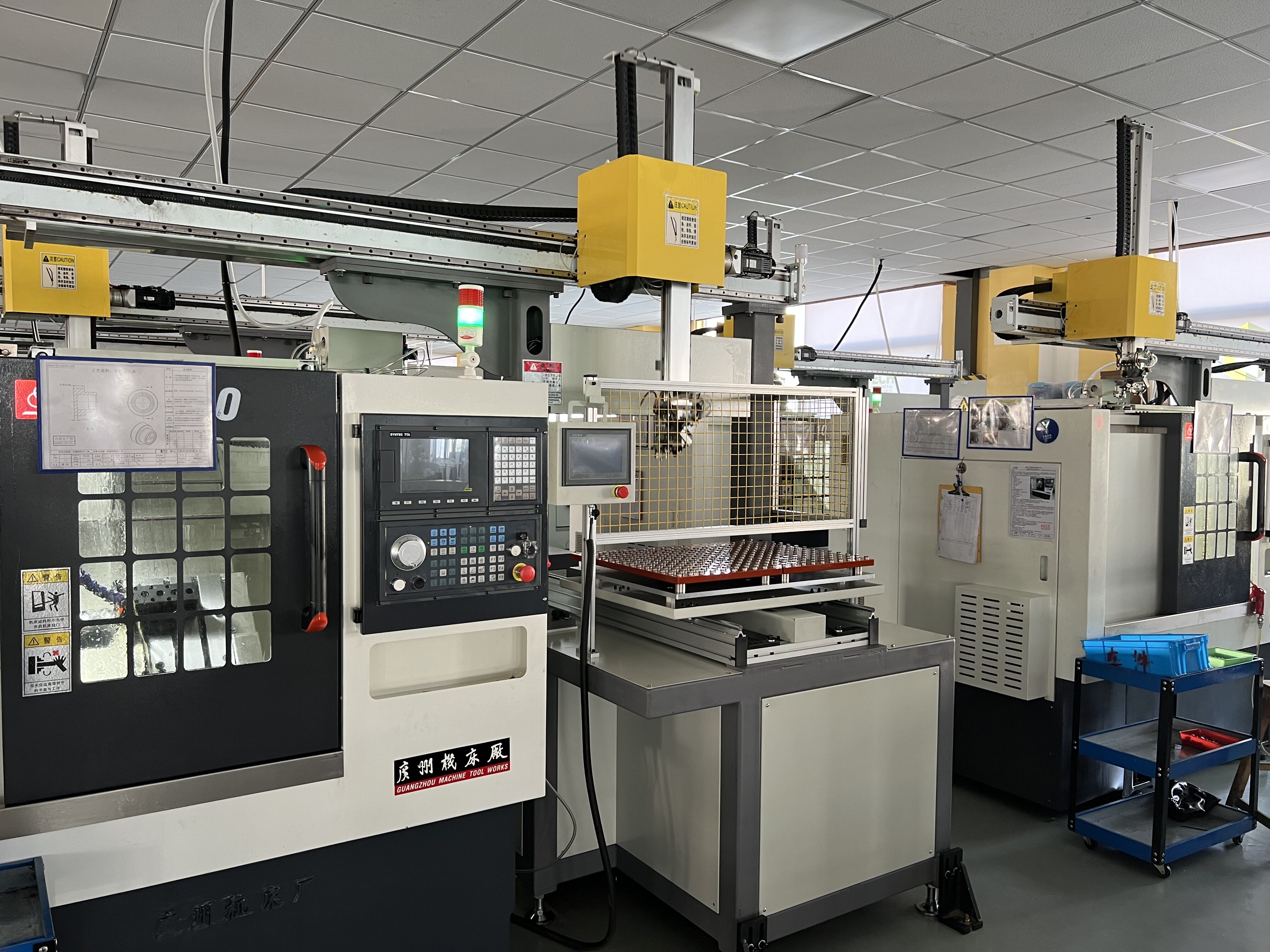
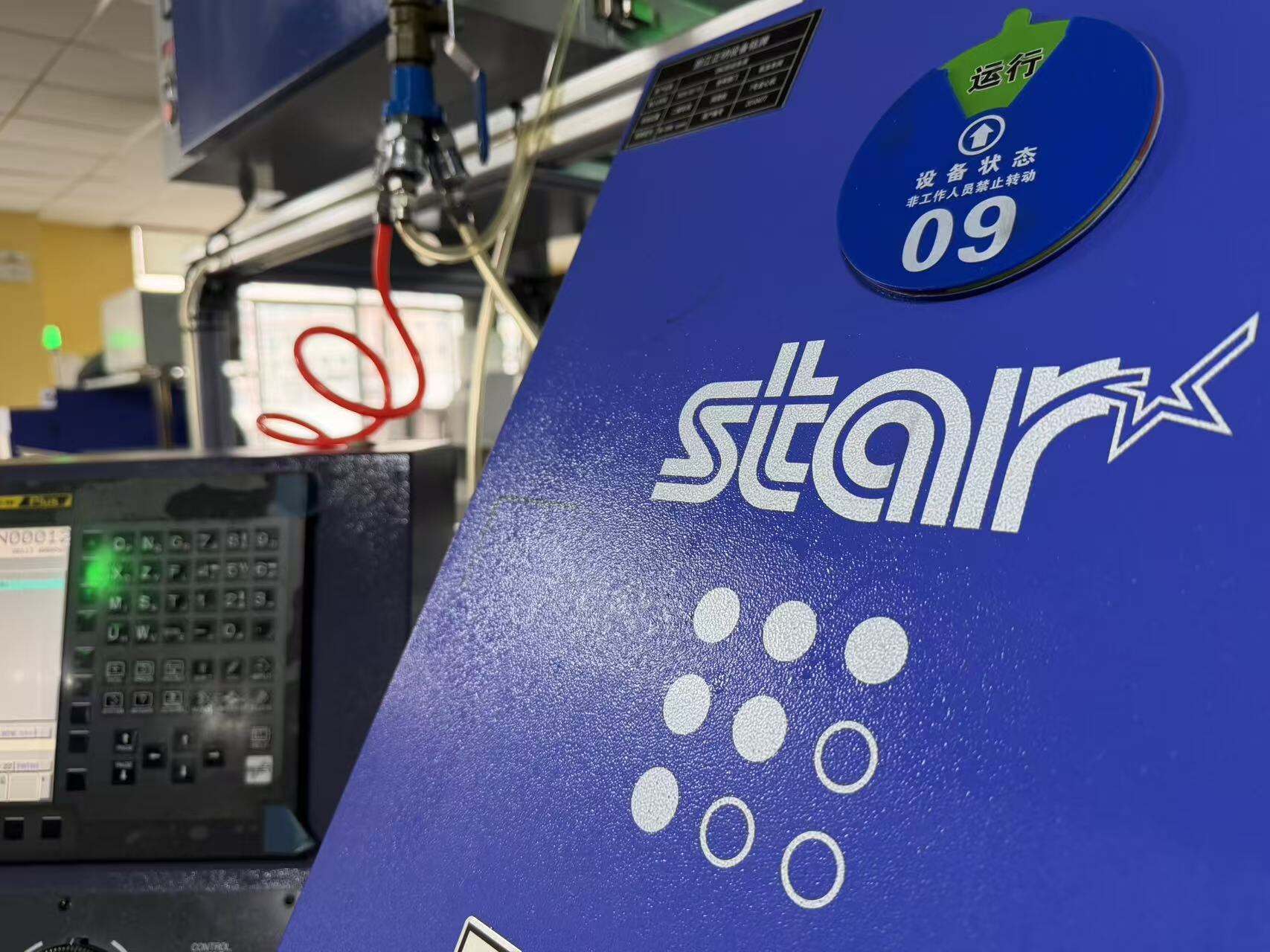
The technological foundation of a precision machining company rests on cutting-edge CNC equipment that delivers unmatched accuracy and repeatability for complex manufacturing requirements. Modern precision machining companies invest millions of dollars in multi-axis CNC machines, including 5-axis machining centers that can access virtually any surface of a workpiece in a single setup, dramatically reducing setup times and improving dimensional accuracy by eliminating multiple repositioning operations. These sophisticated machines feature high-speed spindles capable of rotating at speeds exceeding 20,000 RPM, enabling efficient machining of both soft materials like aluminum and challenging materials like hardened steels and titanium alloys. The integration of advanced control systems with real-time monitoring capabilities allows precision machining companies to maintain consistent quality throughout production runs while automatically compensating for tool wear and thermal variations. Live tooling capabilities on turning centers enable complex operations like cross-drilling, milling, and tapping to be completed without part transfer, reducing handling time and improving accuracy. The precision machining company typically maintains a diverse fleet of specialized equipment including horizontal and vertical machining centers, Swiss-type lathes for small precision parts, and large-capacity machines for substantial components. Tool management systems automatically select appropriate cutting tools from magazines containing hundreds of options, optimizing cutting parameters for each operation based on material properties and geometry requirements. Advanced workholding systems, including hydraulic chucks, vacuum tables, and custom fixtures, ensure secure part positioning while maintaining access for machining operations. The combination of rigid machine construction, precision linear guides, and high-resolution feedback systems enables precision machining companies to achieve tolerances as tight as ±0.0001 inches on critical dimensions. Environmental controls within precision machining companies maintain stable temperatures that prevent thermal expansion issues, while vibration isolation systems eliminate external disturbances that could affect surface finish quality. This technological superiority translates directly into superior component quality, reduced lead times, and the ability to manufacture parts that meet the most demanding specifications across diverse industrial applications.
Comprehensive Quality Control and Inspection Systems

Comprehensive Quality Control and Inspection Systems

Quality assurance represents the cornerstone of every reputable precision machining company, with comprehensive inspection systems that validate component accuracy, surface finish, and material properties at every stage of the manufacturing process. These companies deploy coordinate measuring machines (CMMs) with sub-micron accuracy capabilities, enabling three-dimensional measurement of complex geometries with documented traceability that satisfies the most stringent quality requirements. Advanced CMM programming allows automated inspection routines that check hundreds of dimensions rapidly and consistently, generating detailed reports that provide statistical analysis of dimensional trends and process capability studies. Optical measurement systems complement traditional CMMs by providing non-contact inspection of delicate features, surface textures, and small components that might be damaged by probe contact. Surface roughness measurement equipment ensures that finish requirements are met consistently, critical for applications where friction, wear resistance, or aesthetic appearance are important factors. The precision machining company typically maintains calibrated measuring instruments traceable to national standards, with regular calibration schedules that ensure measurement accuracy and reliability. Statistical process control (SPC) systems monitor critical dimensions throughout production runs, identifying trends that might indicate tool wear or process drift before defective parts are produced. First article inspection protocols verify that initial production samples meet all specification requirements before full production begins, while in-process inspections catch potential issues early when corrective actions are most cost-effective. Material certifications and chemical analysis capabilities ensure that raw materials meet specification requirements, while hardness testing and other mechanical property evaluations verify that heat treatment and processing operations achieve desired results. Documentation systems within precision machining companies maintain complete traceability from raw material receipt through final inspection, providing customers with detailed quality records that support their own quality systems and regulatory compliance requirements. Gauge repeatability and reproducibility (GR&R) studies validate measurement system capability, ensuring that inspection results are reliable and consistent. The integration of quality control with production scheduling systems enables real-time monitoring of quality metrics, immediate notification of out-of-specification conditions, and rapid implementation of corrective actions that minimize scrap and maintain delivery schedules while ensuring customer satisfaction through consistent delivery of high-quality components.
Material Expertise and Processing Versatility

Material Expertise and Processing Versatility

The material expertise possessed by a precision machining company encompasses comprehensive knowledge of metallurgy, material properties, and processing characteristics that enables optimal material selection and machining strategies for diverse applications. This expertise extends across ferrous metals including various grades of steel, stainless steel, and tool steels, each requiring specific machining parameters, coolant strategies, and tool selections to achieve optimal results. Non-ferrous materials such as aluminum alloys, brass, bronze, and copper present unique machining challenges that precision machining companies address through specialized techniques and tooling designed for these softer, more thermally conductive materials. Advanced materials including titanium alloys, Inconel, Hastelloy, and other superalloys demand extensive expertise in high-temperature machining, specialized cutting tools, and carefully controlled processing parameters to prevent work hardening and achieve acceptable tool life. Plastic and composite materials require entirely different approaches, with considerations for thermal effects, chip evacuation, and surface finish that differ significantly from metal machining operations. The precision machining company typically maintains extensive material libraries with detailed machining parameters, recommended tooling, and processing guidelines developed through years of experience with various material grades and specifications. Heat treatment coordination represents another critical aspect of material expertise, as precision machining companies work closely with certified heat treatment facilities to ensure proper material properties are achieved through controlled heating, cooling, and tempering cycles. Surface treatment knowledge enables precision machining companies to recommend appropriate coatings, platings, and surface modifications that enhance corrosion resistance, wear characteristics, or aesthetic appearance. Material traceability systems track each piece of raw material from supplier through final delivery, maintaining documentation of material certifications, heat lot numbers, and processing history required for critical applications in aerospace, medical, and automotive industries. Cost optimization through material expertise allows precision machining companies to suggest alternative materials that provide equivalent performance at reduced cost, or premium materials that offer enhanced properties justified by improved product performance. Environmental considerations increasingly influence material selection, with precision machining companies knowledgeable about recyclable materials, sustainable sourcing, and manufacturing processes that minimize environmental impact while maintaining quality and performance standards essential for customer satisfaction and regulatory compliance.
Get a Free Quote

Our representative will contact you soon.
Email
Mobile/WhatsApp
Name
Company Name
Message
0/1000