Precision Injection Molding Solutions: Advanced Manufacturing Technology for High-Quality Plastic Components

All Categories

Get a Free Quote

Our representative will contact you soon.
Email
Mobile/WhatsApp
Name
Company Name
Message
0/1000

precision injection molding

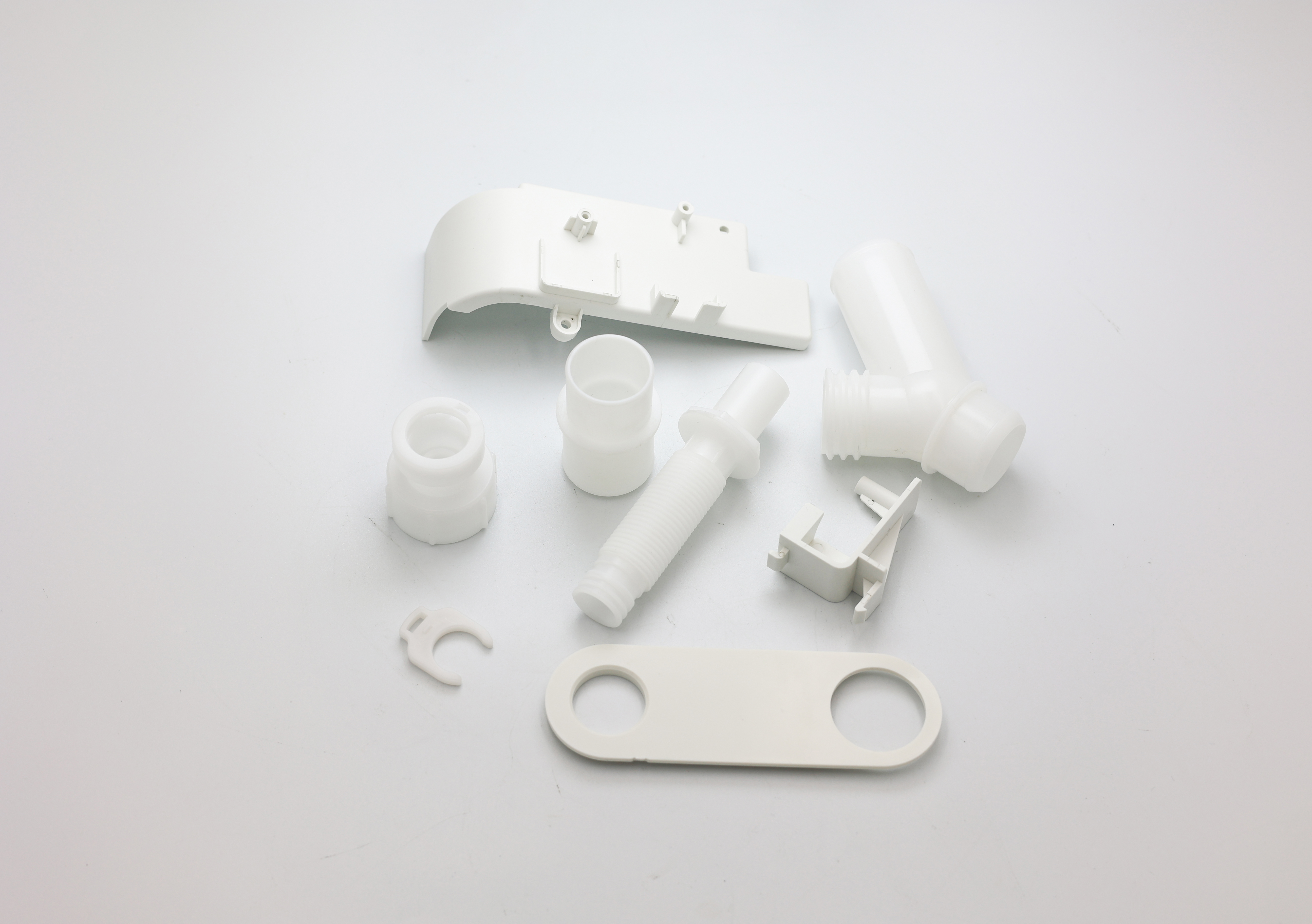
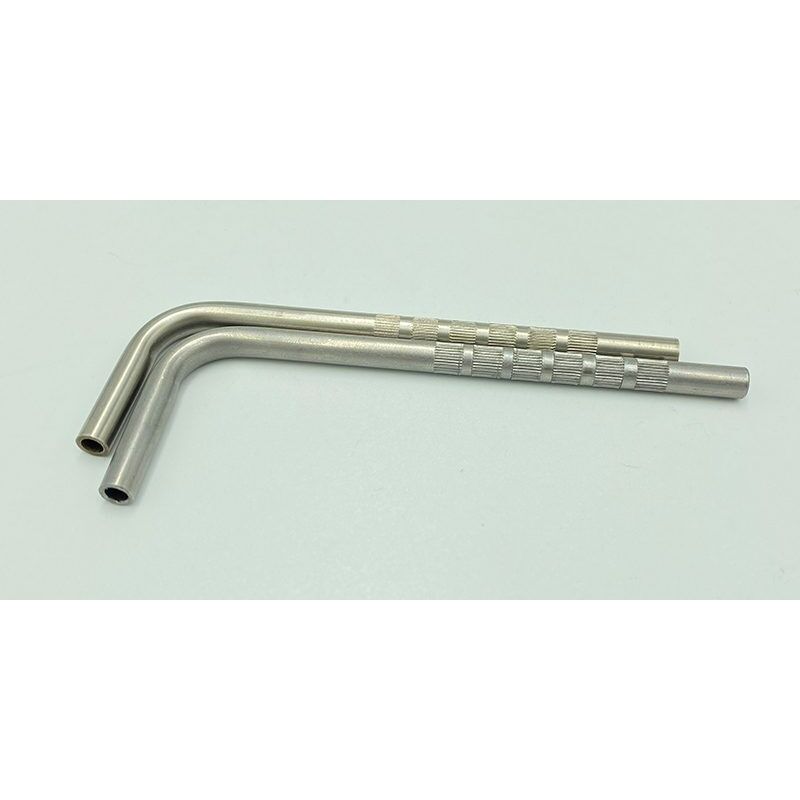
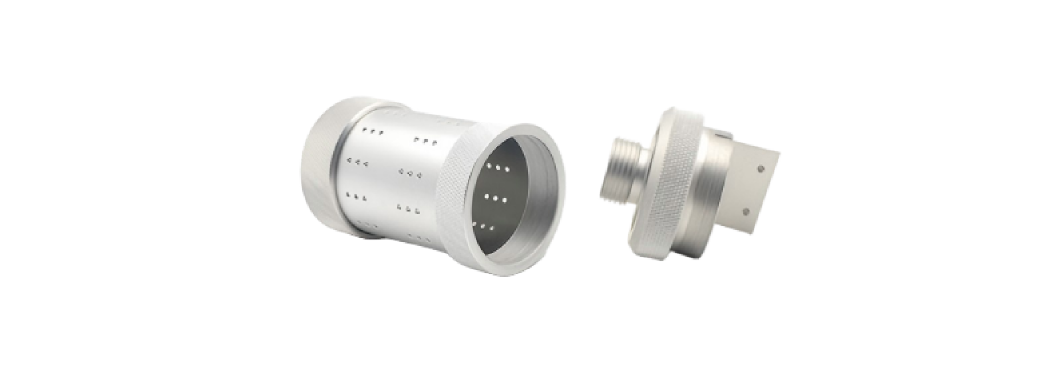
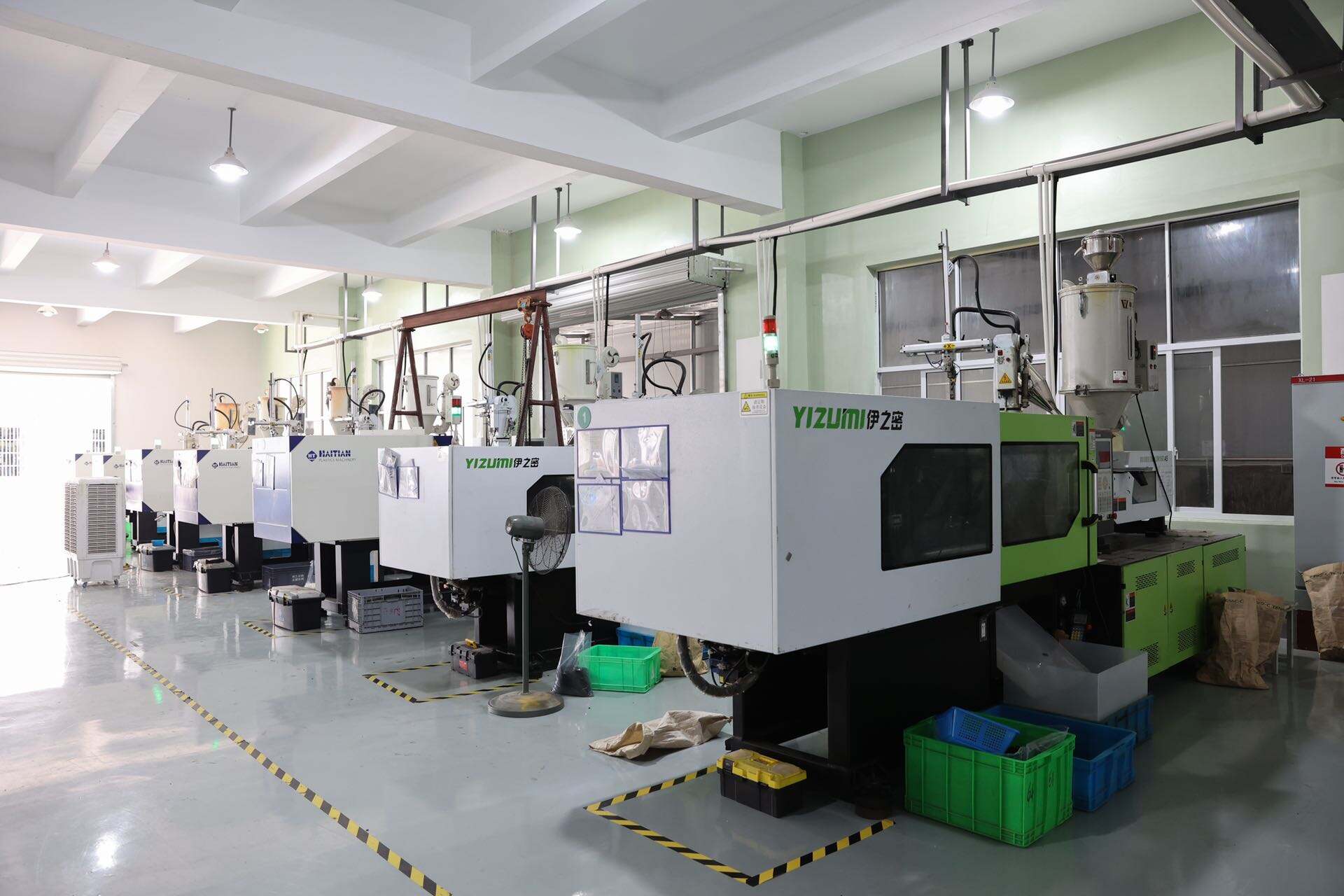
Precision injection molding represents a sophisticated manufacturing process that delivers exceptional accuracy and consistency in producing plastic components. This advanced technique involves injecting molten polymer materials into precisely engineered molds under controlled pressure and temperature conditions to create parts with tight tolerances and superior surface finishes. The precision injection molding process utilizes state-of-the-art machinery equipped with computer-controlled systems that monitor every aspect of production, from material temperature to injection speed and cooling cycles. The main functions of precision injection molding include creating complex geometries with intricate details, maintaining dimensional accuracy within micrometers, and producing parts with consistent mechanical properties across large production runs. Technological features of precision injection molding encompass advanced servo-driven injection units that provide precise control over material flow, sophisticated temperature management systems that ensure uniform heating and cooling, and multi-cavity molds designed with scientific molding principles. The process incorporates real-time monitoring systems that track critical parameters such as cavity pressure, melt temperature, and cycle times to maintain optimal quality standards. Applications of precision injection molding span numerous industries including medical device manufacturing, automotive electronics, telecommunications equipment, optical components, and consumer electronics. In the medical sector, precision injection molding produces critical components like surgical instruments, diagnostic equipment housings, and drug delivery devices that require biocompatible materials and sterile manufacturing environments. Automotive applications include precision sensors, electronic control modules, and safety system components that demand exceptional reliability and durability. The telecommunications industry relies on precision injection molding for fiber optic connectors, circuit board housings, and antenna components that require precise dimensional control for optimal performance. Consumer electronics benefit from precision injection molding through the production of smartphone components, tablet housings, and wearable device enclosures that combine aesthetic appeal with functional excellence.
New Product Recommendations

Precision injection molding offers numerous compelling advantages that make it the preferred manufacturing method for high-quality plastic components across diverse industries. The process delivers exceptional dimensional accuracy, consistently achieving tolerances as tight as plus or minus 0.001 inches, which eliminates the need for secondary machining operations and reduces overall production costs. This level of precision ensures that components fit together perfectly in complex assemblies, reducing warranty claims and improving customer satisfaction. The superior surface quality achieved through precision injection molding eliminates post-processing requirements such as sanding, polishing, or painting, significantly reducing manufacturing time and labor costs while maintaining consistent aesthetic standards across production runs. Material efficiency represents another significant advantage, as precision injection molding minimizes waste through optimized runner systems and precise shot sizes, resulting in material savings of up to 15 percent compared to conventional molding methods. The process enables the production of complex geometries and intricate features in single operations that would require multiple manufacturing steps using traditional methods, reducing assembly time and potential points of failure. Precision injection molding supports a wide range of high-performance materials including engineering plastics, biocompatible polymers, and specialty compounds that offer enhanced mechanical properties, chemical resistance, and temperature stability. The automated nature of precision injection molding ensures consistent quality control throughout production runs, with built-in monitoring systems that detect variations and make real-time adjustments to maintain optimal parameters. This automation reduces human error and enables lights-out manufacturing capabilities that increase productivity while reducing labor costs. The scalability of precision injection molding allows for efficient production of both prototype quantities and high-volume manufacturing runs, providing flexibility to meet changing market demands. Cycle times can be optimized through scientific molding approaches that balance speed with quality, enabling faster time-to-market for new products while maintaining exceptional standards. The process also supports overmolding and insert molding techniques that combine multiple materials or incorporate metal components, creating hybrid parts with enhanced functionality and reduced assembly requirements.

Latest News

How To Determine The Chemical Stability Of Materials

10

Mar

How To Determine The Chemical Stability Of Materials

View More
Automotive Armrest Slide Rail Production Factory: The Cradle of Quality and Innovation

10

Mar

Automotive Armrest Slide Rail Production Factory: The Cradle of Quality and Innovation

View More
How To Choose Appropriate Automotive Parts According To Testing Standards

10

Mar

How To Choose Appropriate Automotive Parts According To Testing Standards

View More

Get a Free Quote

Our representative will contact you soon.
Email
Mobile/WhatsApp
Name
Company Name
Message
0/1000

precision injection molding

Advanced Scientific Molding Methodology

Advanced Scientific Molding Methodology

The implementation of advanced scientific molding methodology sets precision injection molding apart from conventional manufacturing approaches by establishing a systematic, data-driven framework that ensures consistent, high-quality results across all production phases. This comprehensive methodology begins with detailed material characterization studies that analyze the rheological properties, thermal behavior, and processing characteristics of each polymer to establish optimal processing windows. Scientific molding utilizes sophisticated design of experiments approaches to identify the critical process variables that most significantly impact part quality, including injection pressure profiles, melt temperature distributions, cooling rates, and hold pressure sequences. The methodology incorporates comprehensive mold flow analysis using advanced simulation software that predicts material behavior throughout the injection cycle, identifying potential issues such as weld lines, air traps, and dimensional variations before production begins. This predictive capability enables engineers to optimize gate locations, runner designs, and cooling channel configurations to achieve uniform filling patterns and consistent cooling rates across all cavity sections. The scientific approach establishes robust process windows that define acceptable parameter ranges for each critical variable, ensuring that normal manufacturing variations do not compromise part quality or dimensional accuracy. Real-time process monitoring systems continuously track these parameters and provide immediate feedback when values approach control limits, enabling automatic adjustments that maintain optimal conditions throughout production runs. The methodology includes comprehensive validation protocols that verify process capability through statistical analysis of dimensional measurements, mechanical testing, and visual inspections across representative sample sizes. This validation process establishes process capability indices that demonstrate the ability to consistently meet customer specifications while identifying opportunities for continuous improvement. Advanced data analytics platforms collect and analyze production data to identify trends, correlations, and optimization opportunities that further enhance process efficiency and quality outcomes. The scientific molding approach also incorporates preventive maintenance protocols based on process data analysis that predict equipment needs before failures occur, minimizing unplanned downtime and maintaining consistent production capabilities.
Multi-Material Integration Capabilities

Multi-Material Integration Capabilities

Multi-material integration capabilities represent a transformative advantage of precision injection molding that enables the creation of sophisticated components combining different polymer materials, metal inserts, and functional elements within single manufacturing operations. This advanced capability eliminates traditional assembly processes by directly molding multiple materials together, creating strong mechanical bonds and seamless interfaces that enhance product performance while reducing manufacturing complexity. The overmolding process allows for the combination of rigid structural materials with flexible elastomers, creating components that offer both durability and user-friendly tactile properties, such as tool handles with comfortable grips or electronic housings with integrated sealing gaskets. Advanced multi-shot molding systems enable sequential injection of different materials into the same mold cavity, creating parts with distinct zones of varying properties, colors, or functionalities without requiring post-assembly operations. Insert molding capabilities allow for the precise encapsulation of metal components, electronic elements, or pre-formed plastic parts within the injection molded structure, creating hybrid assemblies that combine the benefits of different material properties. This integration capability is particularly valuable in electronics manufacturing, where precision injection molding can encapsulate circuit boards, sensors, and connectors while providing environmental protection and mechanical support. The process ensures optimal positioning and retention of inserted components through precision tooling and controlled injection parameters that prevent displacement during material flow. Material compatibility studies and adhesion testing protocols ensure strong interfacial bonds between different materials, preventing delamination and maintaining structural integrity throughout the product lifecycle. Advanced temperature control systems enable the processing of materials with different thermal requirements within the same molding cycle, using sequential heating and cooling strategies that optimize the properties of each material zone. The multi-material approach also supports the integration of functional additives such as conductive fillers, antimicrobial agents, or optical enhancers in specific component regions while maintaining base material properties in structural areas. Quality control systems verify the integrity of multi-material bonds through specialized testing methods that evaluate adhesion strength, environmental resistance, and long-term durability under operational conditions.
Real-Time Quality Monitoring Systems

Real-Time Quality Monitoring Systems

Real-time quality monitoring systems integrated within precision injection molding operations provide unprecedented visibility into production processes, enabling immediate detection of quality variations and automatic corrections that maintain consistent part specifications throughout manufacturing runs. These sophisticated monitoring platforms utilize arrays of sensors strategically positioned throughout the molding system to continuously measure critical parameters including cavity pressure profiles, melt temperature distributions, injection velocities, and cooling rates with millisecond precision. Advanced pressure transducers installed within mold cavities provide direct measurement of material behavior during filling and packing phases, detecting variations in flow patterns that could indicate material inconsistencies, mold wear, or process deviations before they impact final part quality. Temperature monitoring systems employ multiple thermocouples and infrared sensors to track thermal conditions across barrel zones, hot runners, and mold surfaces, ensuring optimal material conditioning and uniform cooling that prevents dimensional variations and internal stresses. The monitoring systems incorporate machine learning algorithms that analyze historical production data to establish baseline parameters and identify subtle trends that may indicate developing issues before they become quality problems. Automatic feedback control loops enable real-time adjustments to injection parameters based on sensor inputs, maintaining optimal conditions even as external factors such as ambient temperature or material lot variations occur. Statistical process control modules continuously calculate control charts and capability indices, providing immediate alerts when processes approach specification limits and enabling proactive interventions that prevent defective parts from being produced. Vision inspection systems integrated into the monitoring platform perform automatic dimensional verification and surface quality assessment on every molded part, using high-resolution cameras and advanced image processing algorithms to detect defects as small as 0.001 inches. The comprehensive data collection capabilities enable detailed traceability records that link each produced part to specific process conditions, material lot numbers, and equipment states, supporting quality investigations and continuous improvement initiatives. Predictive maintenance modules analyze equipment performance data to forecast maintenance needs and prevent unexpected failures that could disrupt production or compromise quality standards, while integration with enterprise resource planning systems provides real-time production visibility across multiple manufacturing locations.

Get a Free Quote

Our representative will contact you soon.
Email
Mobile/WhatsApp
Name
Company Name
Message
0/1000