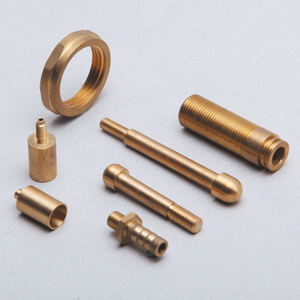
Semiconductor CNC Precision Machining: Ultra-High Accuracy Manufacturing Solutions

All Categories

Get a Free Quote

Our representative will contact you soon.
Email
Mobile/WhatsApp
Name
Company Name
Message
0/1000

semiconductor cnc precision machining

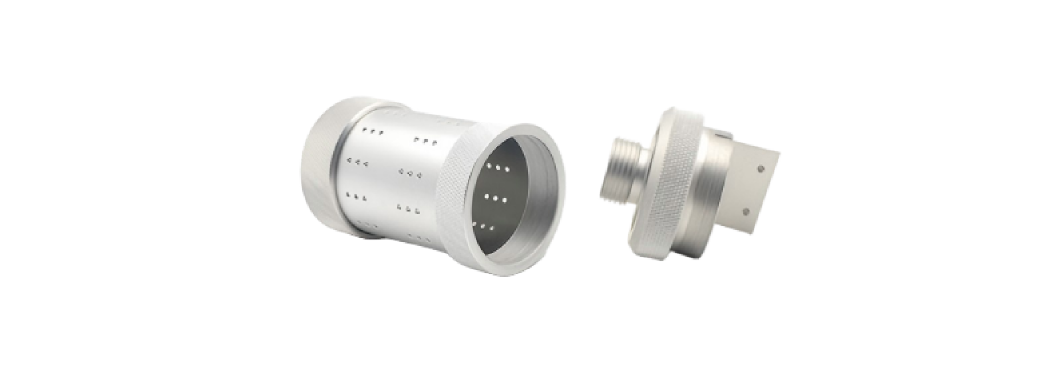
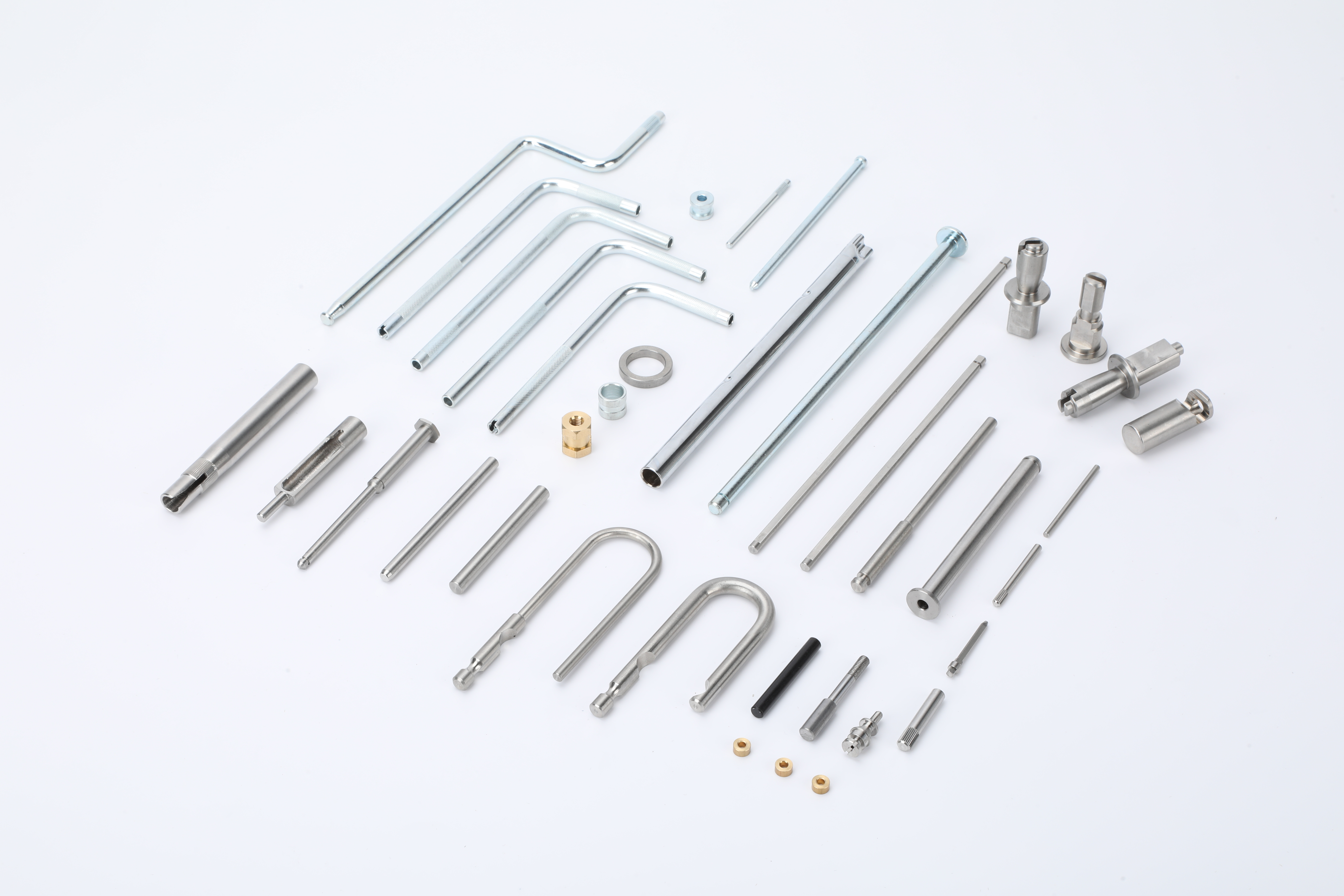
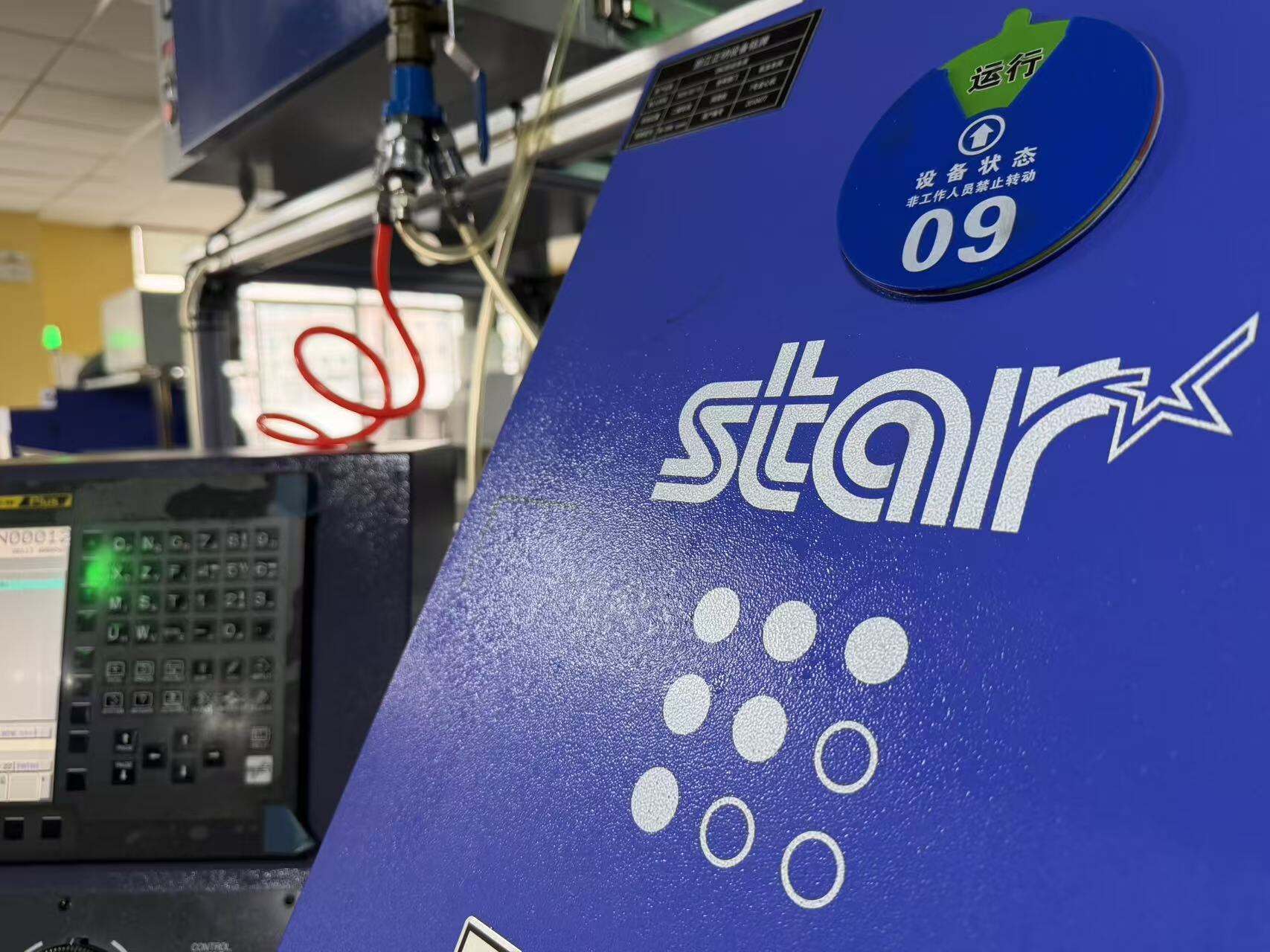
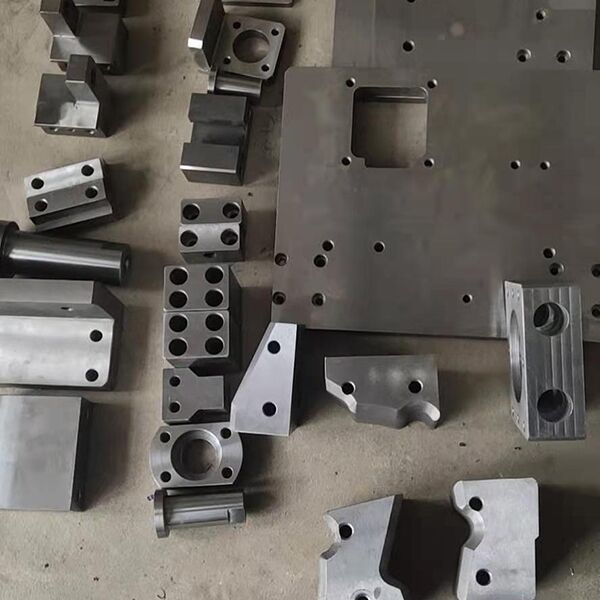
Semiconductor CNC precision machining represents a cutting-edge manufacturing technology that combines computer numerical control systems with ultra-precise machining capabilities specifically designed for semiconductor industry applications. This advanced manufacturing process utilizes sophisticated automated machinery to create components with tolerances measured in micrometers, making it essential for producing high-quality semiconductor devices and related equipment. The main functions of semiconductor CNC precision machining include creating intricate semiconductor wafer processing equipment, manufacturing precision tooling for chip fabrication, producing specialized fixtures and jigs, and crafting critical components for clean room environments. The technological features of this machining approach encompass multi-axis control systems that enable complex geometries, advanced spindle technology for consistent surface finishes, real-time monitoring systems for quality assurance, and specialized tooling designed for semiconductor materials. Temperature control mechanisms ensure dimensional stability throughout the machining process, while vibration dampening systems maintain accuracy during high-speed operations. Semiconductor CNC precision machining applications span across multiple areas within the industry, including the production of photomask holders, wafer chucks, chemical mechanical polishing components, ion implantation tooling, and plasma etching chamber parts. The process also supports manufacturing of testing equipment components, probe cards, and specialized handling systems used in semiconductor fabrication facilities. Clean room compatibility ensures that all machined components meet stringent contamination requirements essential for semiconductor manufacturing environments. This technology enables manufacturers to achieve surface roughness specifications below 0.1 micrometers while maintaining geometric tolerances within plus or minus 2 micrometers. The integration of advanced measurement systems allows for in-process verification of dimensional accuracy, ensuring consistent quality across production batches.

New Products

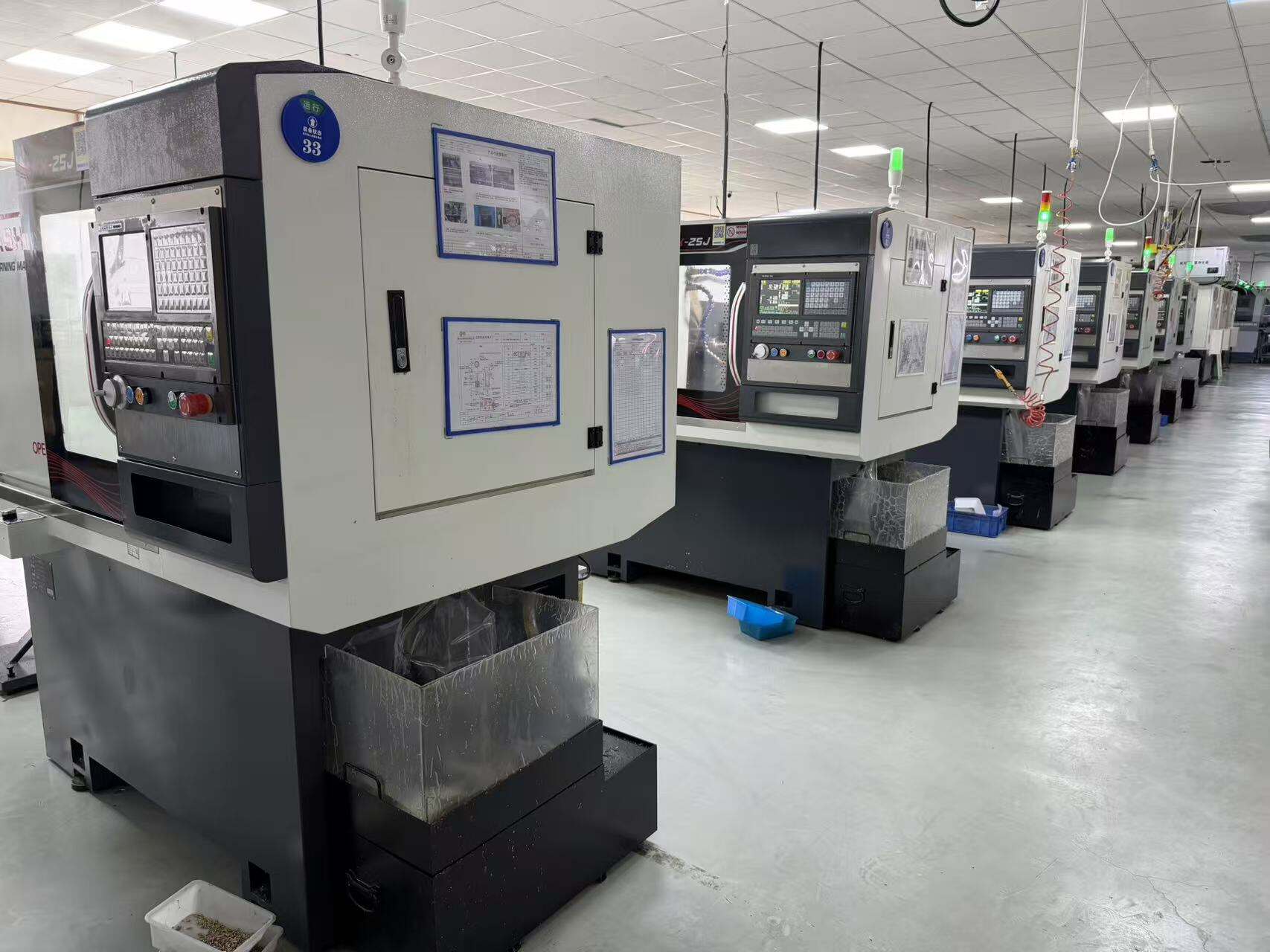
Semiconductor CNC precision machining delivers exceptional accuracy that surpasses traditional manufacturing methods, enabling producers to achieve dimensional tolerances that meet the demanding requirements of modern semiconductor applications. This superior precision translates directly into improved product performance and reduced rejection rates, saving companies significant costs in material waste and rework. The automated nature of CNC systems eliminates human error factors that commonly occur in manual machining operations, ensuring consistent results across every production run. Manufacturers benefit from increased production efficiency as semiconductor CNC precision machining operates continuously with minimal supervision, allowing for 24-hour production cycles that maximize equipment utilization. The technology supports rapid prototyping capabilities, enabling companies to quickly develop and test new semiconductor component designs without lengthy setup times or specialized tooling requirements. Cost savings emerge through reduced labor requirements, as one skilled operator can oversee multiple machines simultaneously, significantly lowering per-unit production costs. The versatility of semiconductor CNC precision machining accommodates various materials commonly used in semiconductor applications, including silicon, gallium arsenide, ceramics, and specialized metal alloys. This flexibility allows manufacturers to consolidate their machining operations under one technology platform, reducing equipment investment and maintenance complexity. Quality control benefits include real-time monitoring systems that detect deviations immediately, preventing the production of defective components and maintaining consistent quality standards. The repeatability factor ensures that every component matches exact specifications, crucial for semiconductor applications where even minor variations can impact device performance. Faster time-to-market advantages help companies respond quickly to changing semiconductor industry demands, maintaining competitive positioning in rapidly evolving markets. The clean room compatibility of semiconductor CNC precision machining systems ensures contamination-free production environments essential for semiconductor component manufacturing. Advanced cooling systems maintain optimal operating temperatures, preventing thermal expansion that could compromise dimensional accuracy. Programming flexibility allows for quick changeovers between different component designs, supporting both high-volume production runs and specialized custom orders efficiently.

Latest News

How To Determine The Chemical Stability Of Materials

10

Mar

How To Determine The Chemical Stability Of Materials

View More
How To Choose Appropriate Automotive Parts According To Testing Standards

10

Mar

How To Choose Appropriate Automotive Parts According To Testing Standards

View More

Get a Free Quote

Our representative will contact you soon.
Email
Mobile/WhatsApp
Name
Company Name
Message
0/1000

semiconductor cnc precision machining

Ultra-High Precision Manufacturing Capabilities

Ultra-High Precision Manufacturing Capabilities

Semiconductor CNC precision machining achieves remarkable accuracy levels that define the gold standard for semiconductor component manufacturing. This technology consistently delivers dimensional tolerances within 1-2 micrometers, surpassing conventional machining methods by significant margins. The precision capabilities stem from advanced servo motor systems that provide positional accuracy down to nanometer levels, ensuring every component meets exact specifications required for semiconductor applications. Multi-axis control systems enable simultaneous machining operations across multiple planes, creating complex geometries while maintaining tight tolerances throughout the entire component. Temperature compensation algorithms automatically adjust for thermal expansion, maintaining accuracy even during extended production runs or varying environmental conditions. The integration of laser measurement systems provides real-time dimensional verification, allowing immediate corrections if any deviations are detected during the machining process. Surface finish quality reaches exceptional levels, with achievable roughness values below 0.05 micrometers, critical for semiconductor components that require mirror-like surfaces for optimal performance. This precision extends to micro-features such as tiny holes, slots, and intricate patterns commonly found in semiconductor tooling and fixtures. The repeatability factor ensures that thousands of identical components can be produced with virtually no variation, essential for high-volume semiconductor manufacturing where consistency directly impacts device yield rates. Advanced spindle technology maintains constant rotational speed and minimizes runout, contributing to superior surface finishes and dimensional accuracy. Vibration isolation systems eliminate external disturbances that could affect machining precision, while rigid machine construction provides the stability necessary for achieving consistent results. Quality assurance protocols include comprehensive measurement procedures that verify every critical dimension before components leave the production facility.
Clean Room Compatible Manufacturing Environment

Clean Room Compatible Manufacturing Environment

Semiconductor CNC precision machining systems are specifically designed to operate within clean room environments, meeting the stringent contamination control requirements essential for semiconductor component production. These systems incorporate specialized sealing mechanisms that prevent particle generation and contamination spread, ensuring compliance with Class 10 to Class 1000 clean room standards. The manufacturing equipment features smooth, easily cleanable surfaces with minimal crevices where contaminants could accumulate, supporting regular cleaning protocols required in semiconductor facilities. Air filtration systems integrated into the machining centers continuously remove airborne particles generated during cutting operations, maintaining clean room air quality standards throughout production cycles. Specialized tooling and cutting fluids are selected for their low outgassing properties and chemical compatibility with semiconductor materials, preventing contamination that could compromise component performance. The enclosed machining environment isolates cutting operations from the surrounding clean room space, while filtered air circulation systems maintain positive pressure to prevent external contamination entry. Automated chip removal systems efficiently collect and contain metal chips and cutting debris without disturbing the clean room environment, supporting continuous operation without manual intervention. Material handling systems designed for clean room use minimize human contact with components, reducing contamination risks while maintaining production efficiency. Regular monitoring systems track particle counts and chemical contamination levels, providing immediate alerts if clean room standards are compromised. The integration of wash stations and drying systems within the machining centers enables in-process cleaning of components, ensuring they meet cleanliness specifications before final packaging. Personnel access controls limit entry to trained operators wearing appropriate clean room attire, further reducing contamination risks. Documentation systems track all materials, processes, and environmental conditions, providing complete traceability required for semiconductor quality assurance programs. Emergency shutdown procedures preserve clean room integrity in case of equipment malfunctions or contamination events.
Advanced Material Processing Versatility

Advanced Material Processing Versatility

Semiconductor CNC precision machining demonstrates exceptional versatility in processing diverse materials commonly used throughout the semiconductor industry, from traditional silicon wafers to advanced compound semiconductors and specialized tooling materials. This adaptability enables manufacturers to consolidate their machining operations under a single technology platform, reducing equipment investments while maintaining optimal processing capabilities for each material type. Silicon processing capabilities include precise cutting, drilling, and surface finishing operations that preserve crystal structure integrity while achieving the tight tolerances required for semiconductor devices. Gallium arsenide and other compound semiconductors receive specialized treatment through optimized cutting parameters and tool selections that minimize material stress and prevent damage to these sensitive materials. Ceramic materials used in semiconductor applications benefit from diamond tooling and specialized cooling systems that prevent thermal shock while achieving excellent surface finishes required for high-performance components. Metal alloys including titanium, stainless steel, and specialized superalloys are processed using advanced cutting strategies that optimize tool life while maintaining dimensional accuracy and surface quality. The programming flexibility allows operators to quickly switch between different material processing parameters, supporting mixed production runs without lengthy setup times or equipment changes. Cutting tool management systems automatically select optimal tools for each material and operation, ensuring consistent results while maximizing tool life and reducing operating costs. Coolant systems are customized for specific material requirements, with options for flood cooling, mist cooling, or dry machining depending on material properties and application needs. Workholding systems accommodate various component sizes and shapes while providing secure clamping that prevents distortion during machining operations. Quality control measures include material-specific measurement protocols that account for unique properties such as thermal expansion coefficients and surface characteristics. Advanced programming capabilities enable complex multi-material assemblies to be machined in single setups, reducing handling and improving overall component accuracy. The integration of material databases provides operators with proven processing parameters for common semiconductor materials, reducing setup time and ensuring optimal results from the first component produced.

Get a Free Quote

Our representative will contact you soon.
Email
Mobile/WhatsApp
Name
Company Name
Message
0/1000