Professional Turned Components Manufacturers - Precision CNC Turning Services & Custom Machining Solutions

All Categories

Get a Free Quote

Our representative will contact you soon.
Email
Mobile/WhatsApp
Name
Company Name
Message
0/1000

turned components manufacturers

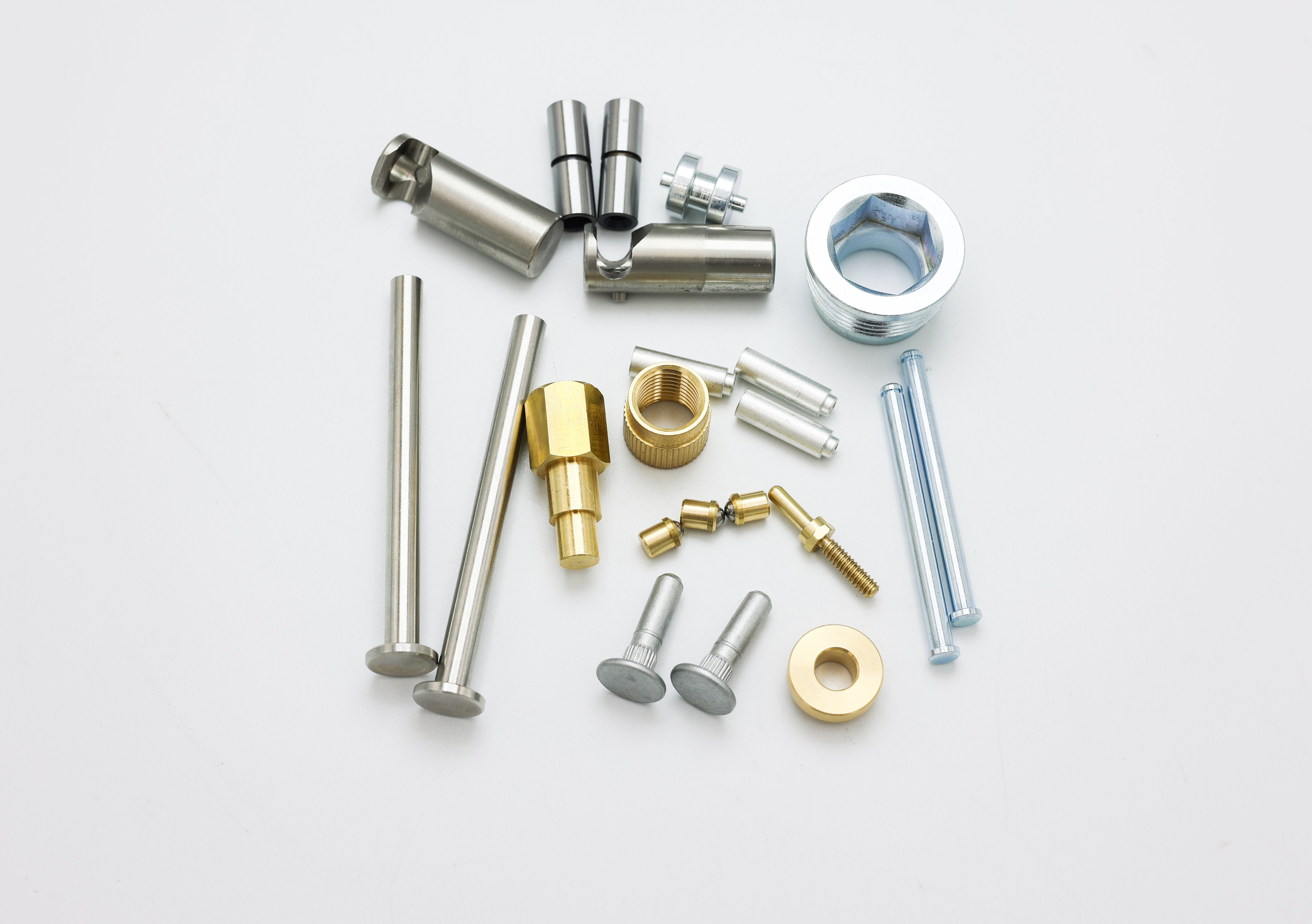
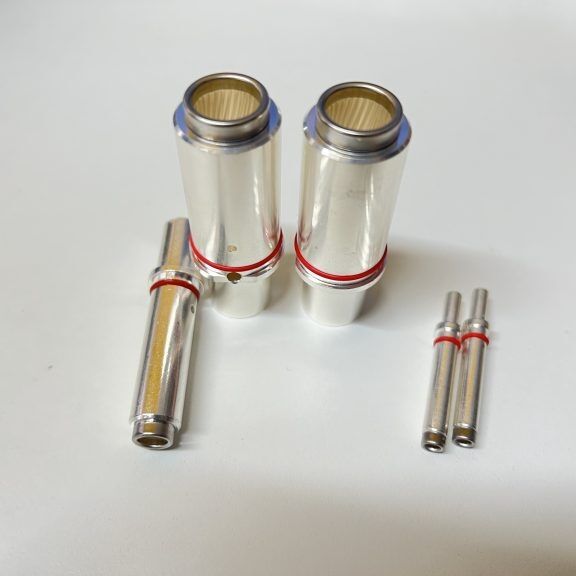
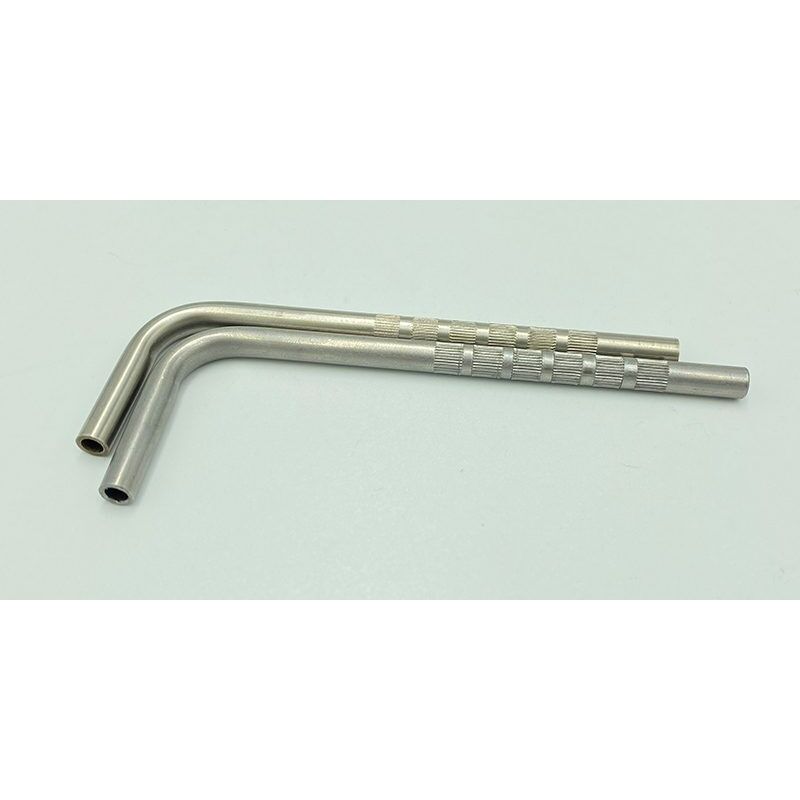
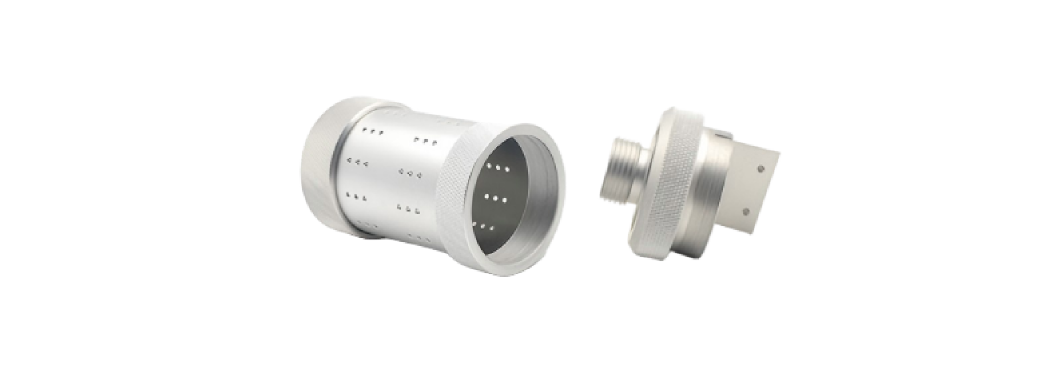
Turned components manufacturers represent a cornerstone of modern industrial production, specializing in the creation of precision-engineered parts through advanced turning processes. These specialized manufacturers utilize sophisticated computer numerical control (CNC) machines and conventional lathes to transform raw materials into highly accurate cylindrical components that serve countless industries worldwide. The primary function of turned components manufacturers involves the systematic removal of material from rotating workpieces to achieve desired dimensions, surface finishes, and geometric specifications. This manufacturing approach enables the production of components ranging from simple shafts and bolts to complex multi-featured parts with intricate internal and external geometries. The technological features employed by turned components manufacturers include state-of-the-art CNC turning centers equipped with multiple axes capabilities, live tooling systems, and automated material handling solutions. These advanced systems allow manufacturers to maintain exceptional dimensional accuracy, typically within tolerances of plus or minus 0.001 inches, while achieving superior surface finishes that meet demanding industrial standards. Modern turned components manufacturers also integrate quality control systems throughout their production processes, utilizing coordinate measuring machines and statistical process control methodologies to ensure consistent output quality. The applications for products from turned components manufacturers span virtually every industrial sector, including automotive, aerospace, medical devices, electronics, hydraulics, pneumatics, and general machinery manufacturing. In the automotive industry, these manufacturers produce critical engine components, transmission parts, and suspension elements. Aerospace applications include landing gear components, engine parts, and structural elements that require exceptional reliability and precision. Medical device manufacturers rely on turned components manufacturers for surgical instruments, implantable devices, and diagnostic equipment components that must meet stringent biocompatibility and accuracy requirements. The versatility of turned components manufacturers enables them to work with diverse materials including various grades of steel, aluminum alloys, brass, copper, titanium, and specialized engineering plastics, adapting their processes to meet specific material characteristics and performance requirements.

New Product Releases

Turned components manufacturers deliver significant advantages that directly impact their customers' operational efficiency and product quality. These manufacturers provide exceptional precision manufacturing capabilities that ensure components meet exact specifications consistently, eliminating the costly problems associated with dimensional variations and poor fit tolerances. The precision achieved by professional turned components manufacturers translates into improved assembly processes for customers, reducing production time and minimizing the need for secondary operations or corrections. Cost-effectiveness represents another major advantage, as turned components manufacturers operate with optimized production processes that maximize material utilization and minimize waste generation. This efficiency allows customers to receive high-quality components at competitive prices while maintaining healthy profit margins on their end products. The scalability offered by established turned components manufacturers enables customers to adjust order quantities based on market demand without compromising quality or delivery schedules. Whether customers need prototype quantities for product development or high-volume production runs for mass market applications, turned components manufacturers adapt their processes accordingly. Quality consistency stands as a fundamental advantage, with reputable turned components manufacturers implementing rigorous quality control systems that ensure every component meets specified requirements. This reliability reduces customer inspection costs and eliminates the risks associated with defective parts reaching end users. Fast turnaround times represent another significant benefit, as experienced turned components manufacturers maintain efficient workflow systems and adequate capacity to handle urgent orders without sacrificing quality standards. This responsiveness helps customers meet tight project deadlines and respond quickly to market opportunities. Material expertise constitutes an additional advantage, with turned components manufacturers possessing deep knowledge of material properties and appropriate processing parameters for different applications. This expertise ensures optimal material selection and processing approaches that maximize component performance and longevity. Technical support services provided by turned components manufacturers add substantial value, offering customers access to engineering expertise during the design phase to optimize component manufacturability and performance. This collaborative approach often results in cost reductions and performance improvements that benefit all stakeholders. Supply chain reliability emerges as a crucial advantage, with established turned components manufacturers maintaining stable supplier relationships and inventory management systems that ensure consistent material availability and predictable delivery schedules.

Tips And Tricks

How To Determine The Chemical Stability Of Materials

10

Mar

How To Determine The Chemical Stability Of Materials

View More
How To Choose Appropriate Automotive Parts According To Testing Standards

10

Mar

How To Choose Appropriate Automotive Parts According To Testing Standards

View More
Testing Standards For Corrosion Resistance Of Automotive Parts

10

Mar

Testing Standards For Corrosion Resistance Of Automotive Parts

View More

Get a Free Quote

Our representative will contact you soon.
Email
Mobile/WhatsApp
Name
Company Name
Message
0/1000

turned components manufacturers

Advanced CNC Technology and Automation Systems

Advanced CNC Technology and Automation Systems

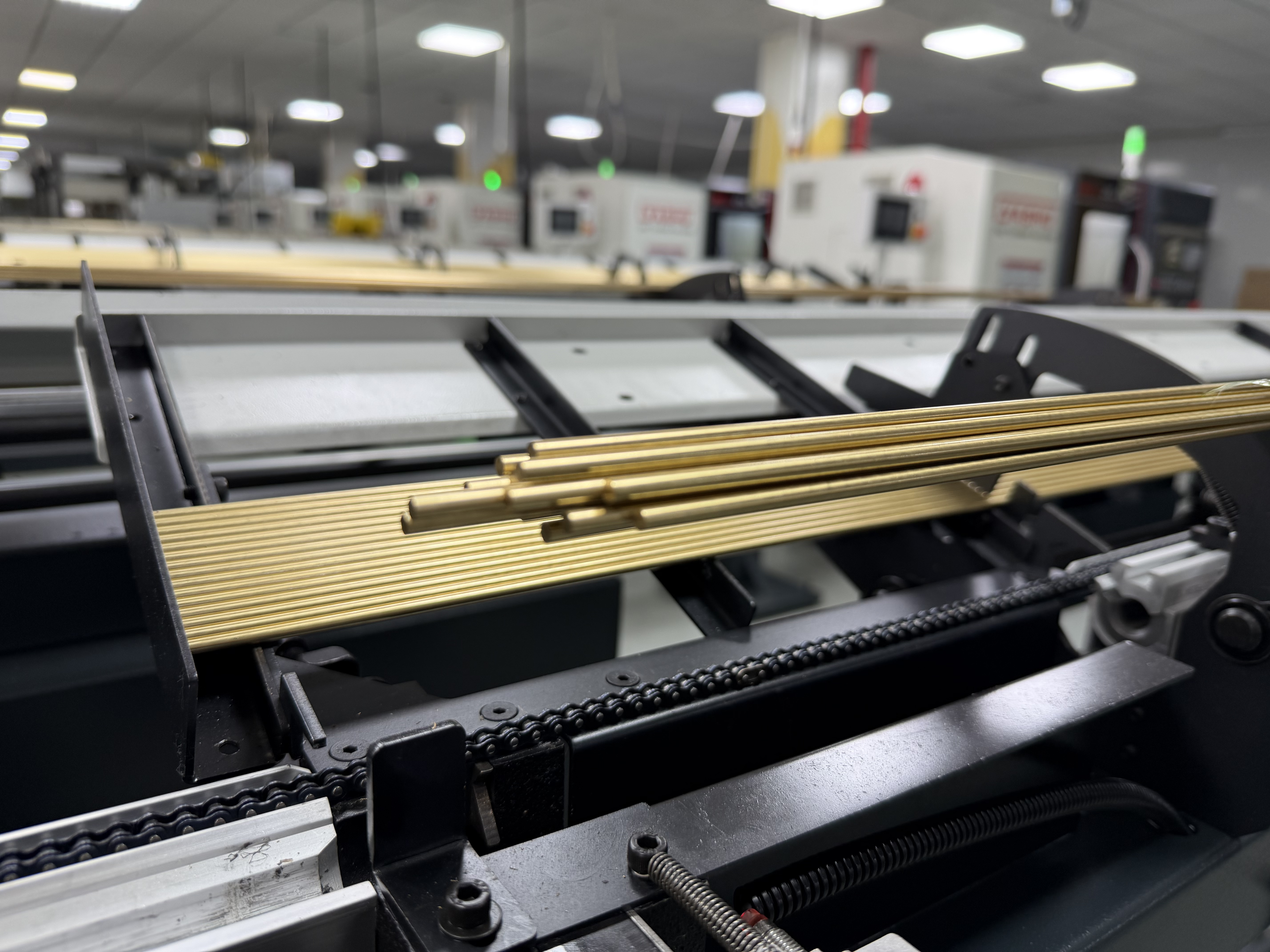
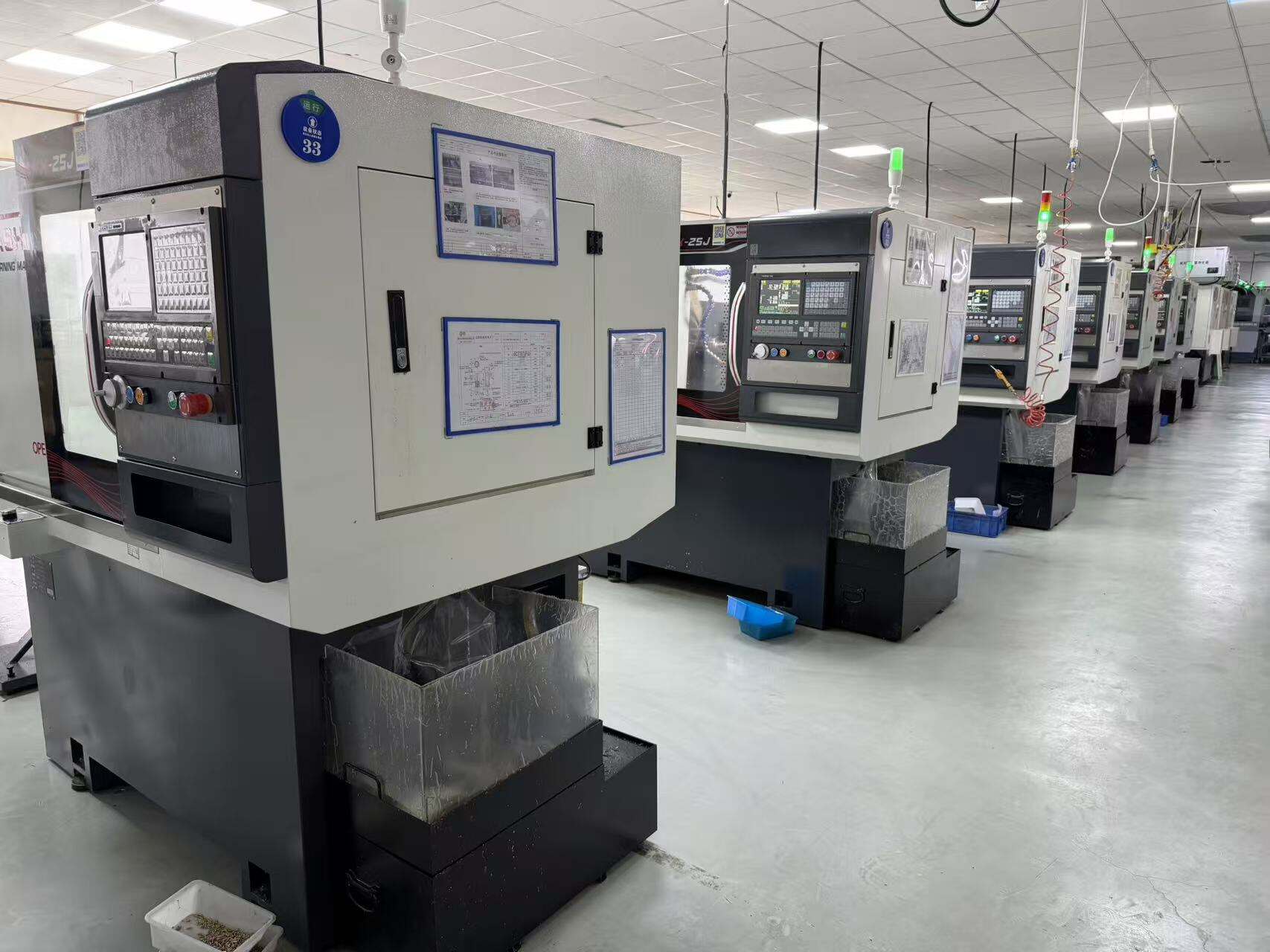
Modern turned components manufacturers distinguish themselves through their investment in cutting-edge CNC technology and comprehensive automation systems that revolutionize manufacturing capabilities. These sophisticated systems represent the technological backbone of contemporary turning operations, enabling manufacturers to achieve unprecedented levels of precision, consistency, and production efficiency. The integration of multi-axis CNC turning centers allows turned components manufacturers to complete complex machining operations in single setups, significantly reducing handling time and eliminating potential positioning errors that could occur with multiple setups. These advanced machines feature live tooling capabilities that enable milling, drilling, and threading operations to be performed simultaneously with turning operations, creating complete finished components without requiring secondary processing steps. The automation systems employed by leading turned components manufacturers extend beyond basic CNC control to encompass automated material handling, tool changing systems, and integrated quality inspection processes. Robotic loading and unloading systems ensure consistent part positioning and reduce cycle times while maintaining operator safety and reducing labor costs. Bar feeding systems enable lights-out manufacturing capabilities, allowing turned components manufacturers to maintain continuous production during off-hours and maximize equipment utilization rates. The technological sophistication of these systems also includes predictive maintenance capabilities that monitor machine performance parameters in real-time, identifying potential issues before they impact production quality or cause unexpected downtime. Advanced software integration connects all aspects of the manufacturing process, from initial programming through final inspection, creating comprehensive traceability records that support quality management and continuous improvement initiatives. The precision capabilities of modern CNC systems enable turned components manufacturers to maintain tolerances within 0.0001 inches while achieving surface finishes as fine as 8 microinches Ra, meeting the demanding requirements of aerospace, medical device, and precision instrument applications. Tool management systems optimize cutting tool performance through automated tool monitoring and replacement, ensuring consistent cutting conditions throughout production runs and minimizing the risk of dimensional variations caused by tool wear. These technological advantages translate directly into customer benefits through reduced lead times, improved component quality, competitive pricing, and enhanced reliability that supports long-term business relationships.
Comprehensive Material Expertise and Processing Capabilities

Comprehensive Material Expertise and Processing Capabilities

The material expertise possessed by professional turned components manufacturers represents a critical differentiating factor that directly impacts component performance, cost-effectiveness, and application suitability. This comprehensive knowledge encompasses understanding of metallurgical properties, machinability characteristics, heat treatment requirements, and surface treatment options for an extensive range of materials commonly used in industrial applications. Turned components manufacturers develop deep expertise in processing various steel grades, from standard carbon steels to specialized alloy steels, stainless steels, and tool steels, understanding how each material responds to different cutting parameters, tooling configurations, and finishing processes. This knowledge enables manufacturers to optimize processing approaches that maximize tool life, achieve superior surface finishes, and maintain dimensional accuracy while minimizing production costs. Aluminum alloy processing expertise allows turned components manufacturers to work effectively with materials ranging from standard 6061 and 6063 alloys to specialized aerospace grades like 7075 and 2024, understanding the unique characteristics of each alloy including work hardening tendencies, thermal conductivity effects, and optimal cutting strategies. The expertise extends to non-ferrous materials including brass, copper, bronze, and titanium alloys, each requiring specialized knowledge of cutting parameters, tooling selection, and handling procedures to achieve optimal results. Advanced turned components manufacturers also possess expertise in processing engineering plastics and composite materials, understanding how these materials behave differently from metals during machining operations and requiring modified approaches to prevent melting, delamination, or dimensional distortion. Heat treatment knowledge enables turned components manufacturers to recommend appropriate thermal processing sequences that optimize material properties for specific applications, whether requiring enhanced hardness, improved toughness, or stress relief treatments. Surface treatment expertise encompasses various coating and plating options that enhance corrosion resistance, wear characteristics, or aesthetic appearance, with manufacturers understanding compatibility issues and processing sequence requirements. Quality control procedures specific to different materials ensure that turned components manufacturers can verify material properties, dimensional accuracy, and surface characteristics according to applicable specifications and standards. This comprehensive material expertise translates into significant customer advantages through optimal material selection recommendations, cost-effective processing approaches, and reliable component performance that meets or exceeds application requirements while supporting efficient assembly processes and long service life expectations.
Flexible Production Capabilities and Customer Service Excellence

Flexible Production Capabilities and Customer Service Excellence

The flexible production capabilities offered by established turned components manufacturers provide customers with adaptive manufacturing solutions that accommodate varying volume requirements, changing specifications, and evolving market conditions. This flexibility represents a fundamental competitive advantage that enables customers to respond effectively to business opportunities while maintaining cost control and quality standards throughout their supply chain operations. Production flexibility encompasses the ability to efficiently handle orders ranging from single prototype components through high-volume production runs, utilizing appropriate manufacturing strategies for each volume level to optimize cost-effectiveness and delivery performance. For prototype and low-volume applications, turned components manufacturers employ flexible setup procedures and streamlined programming approaches that minimize non-productive time while maintaining full quality standards, enabling rapid turnaround times that support accelerated product development cycles. High-volume production capabilities utilize dedicated manufacturing cells, optimized tooling systems, and automated material handling solutions that maximize throughput while maintaining consistent quality levels and competitive pricing structures. The flexibility extends to accommodating design changes and specification modifications during production cycles, with experienced turned components manufacturers possessing the technical expertise and process control systems necessary to implement changes efficiently while minimizing disruption to delivery schedules. Customer service excellence manifests through comprehensive technical support services that begin during the initial inquiry phase and continue throughout the entire business relationship. Engineering support services help customers optimize component designs for manufacturability, often identifying opportunities to reduce costs, improve performance, or simplify assembly processes through design modifications that leverage manufacturing capabilities more effectively. Project management services ensure clear communication regarding production schedules, potential challenges, and delivery commitments, providing customers with reliable information for their own planning processes. Quality documentation services provide comprehensive material certifications, dimensional inspection reports, and traceability records that support customer quality management systems and regulatory compliance requirements. Responsive communication systems enable customers to obtain real-time updates on order status, discuss technical issues, or request expedited services when business conditions require accelerated delivery schedules. The combination of production flexibility and customer service excellence creates partnership relationships that extend beyond simple vendor-customer transactions, with turned components manufacturers becoming trusted advisors who contribute to customer success through reliable service delivery, technical expertise, and adaptive manufacturing capabilities that support long-term business growth and competitive positioning in dynamic market environments.

Get a Free Quote

Our representative will contact you soon.
Email
Mobile/WhatsApp
Name
Company Name
Message
0/1000