Precision CNC Turning Parts: Advanced Manufacturing Solutions for Industrial Applications

All Categories

Get a Free Quote

Our representative will contact you soon.
Email
Mobile/WhatsApp
Name
Company Name
Message
0/1000

cnc turning parts

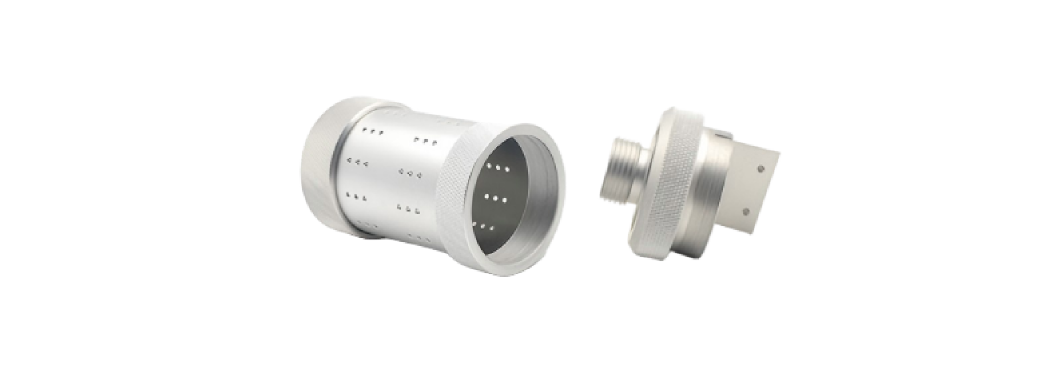
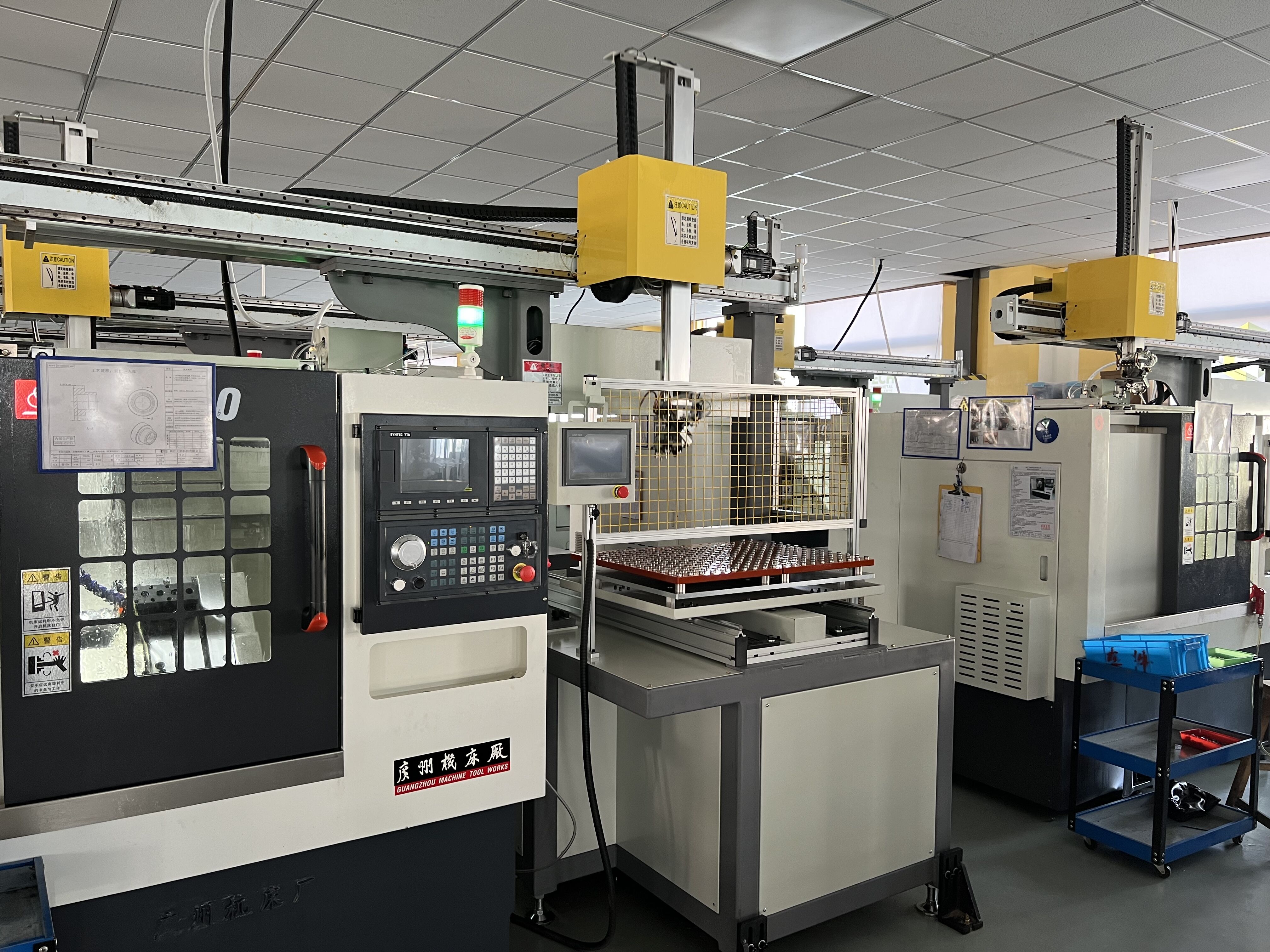
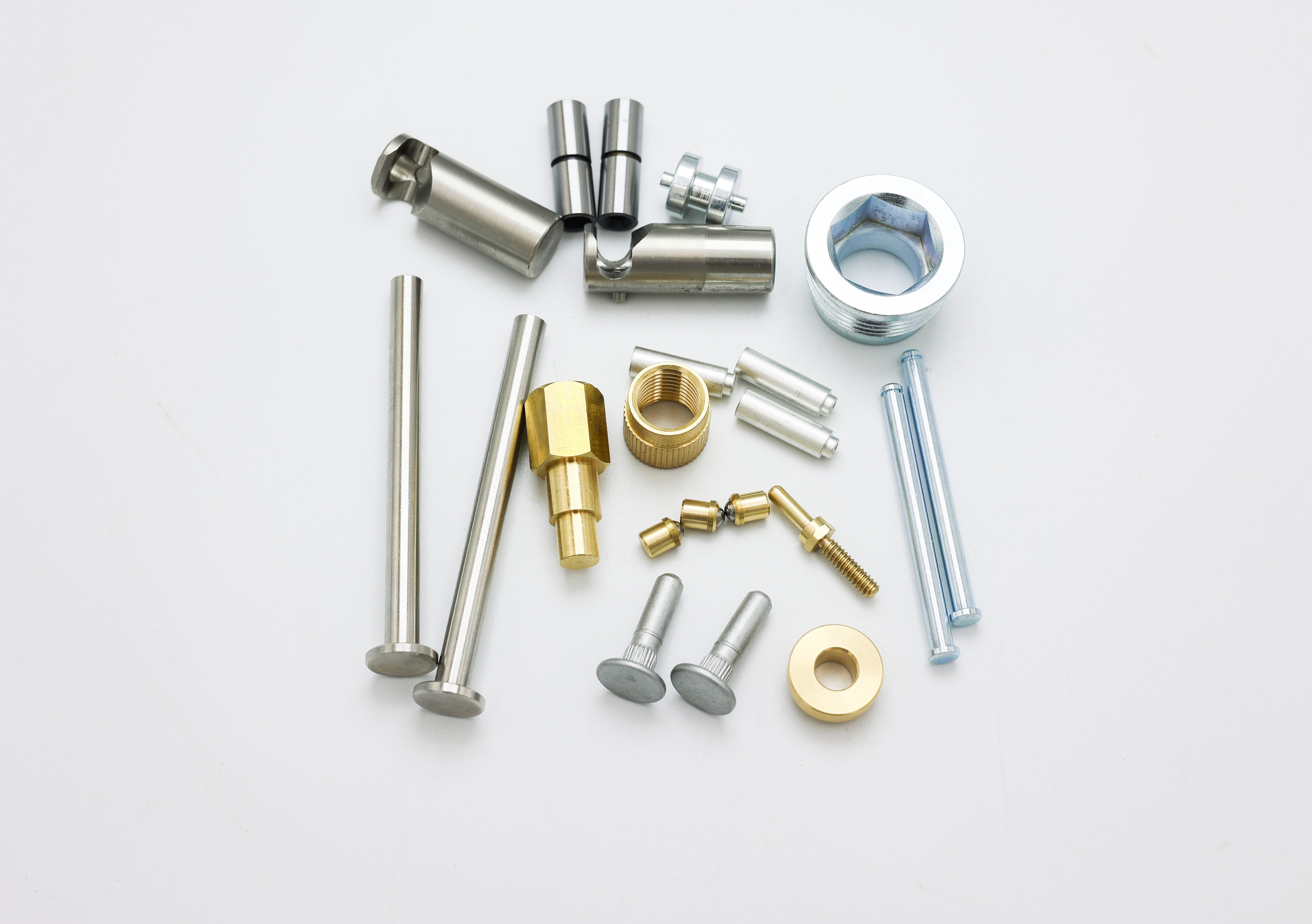
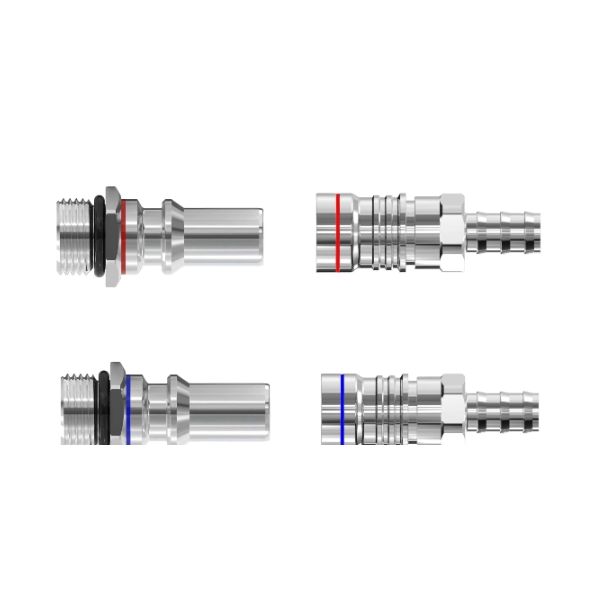
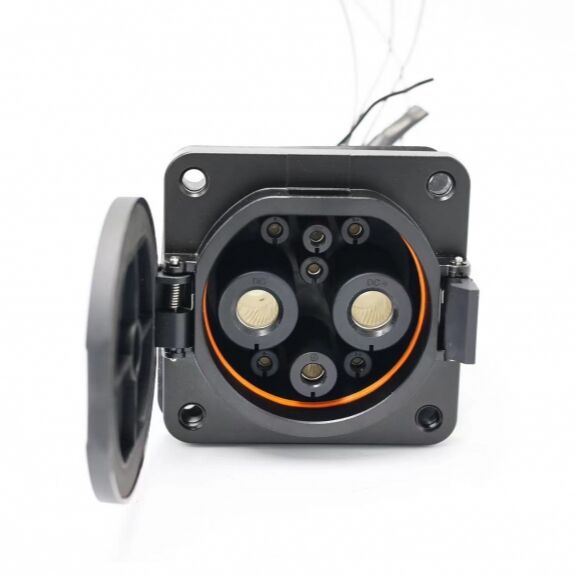
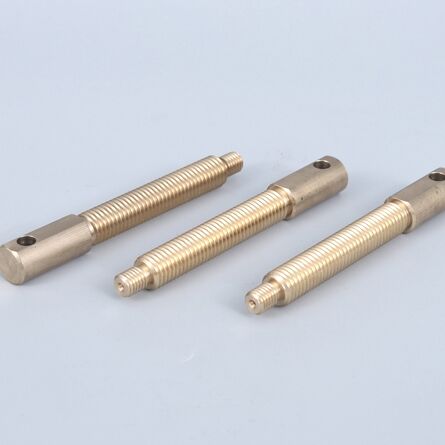
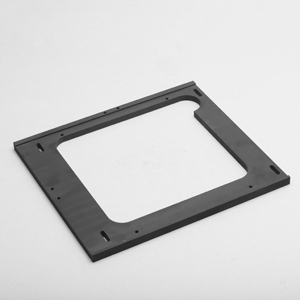
CNC turning parts represent a cornerstone of modern manufacturing, offering precision-engineered components that meet the demanding requirements of today's industrial applications. These sophisticated parts are created through computer numerical control turning processes, where raw materials are shaped into exact specifications using advanced machinery and cutting-edge technology. The fundamental function of cnc turning parts lies in their ability to provide consistent, high-quality components that serve as essential building blocks across numerous industries. From automotive and aerospace to medical devices and electronics, these precision-manufactured elements deliver the reliability and accuracy that modern engineering demands. The technological features of cnc turning parts include exceptional dimensional accuracy, superior surface finishes, and consistent material properties throughout production runs. Advanced CNC turning centers utilize multiple-axis capabilities, allowing for complex geometries and intricate details that would be impossible to achieve through traditional manufacturing methods. These machines operate with computer-controlled precision, eliminating human error and ensuring that every cnc turning part meets stringent quality standards. The manufacturing process incorporates real-time monitoring systems, automatic tool changes, and adaptive machining parameters that optimize production efficiency while maintaining quality consistency. Material versatility stands as another defining characteristic, with cnc turning parts being produced from various metals, plastics, and composite materials to suit specific application requirements. The applications for cnc turning parts span virtually every sector of modern industry. In automotive manufacturing, these components form critical elements of engines, transmissions, and suspension systems. Aerospace applications rely on cnc turning parts for turbine components, landing gear assemblies, and structural elements that must withstand extreme conditions. Medical device manufacturers depend on these precision parts for surgical instruments, implants, and diagnostic equipment where tolerances are measured in microns. Electronics industries utilize cnc turning parts in connector assemblies, heat sinks, and housing components that require exact specifications for proper functionality and electromagnetic compatibility.

New Products

The advantages of cnc turning parts extend far beyond basic manufacturing capabilities, delivering tangible benefits that directly impact operational efficiency and bottom-line results for businesses across all industries. Cost effectiveness emerges as a primary advantage, with cnc turning parts offering exceptional value through reduced material waste, minimized rework requirements, and streamlined production processes. Unlike traditional manufacturing methods that generate significant material waste through imprecise cutting and shaping, CNC turning maximizes material utilization while maintaining strict dimensional accuracy. This efficiency translates into lower per-unit costs and improved profit margins for manufacturers who choose cnc turning parts for their applications. Quality consistency represents another significant advantage that sets cnc turning parts apart from conventional alternatives. Every component produced maintains identical specifications regardless of production volume or timing, eliminating the variability that plagues manual manufacturing processes. This consistency ensures that assembly operations proceed smoothly, reducing quality control costs and minimizing field failures that can damage brand reputation and customer relationships. Speed and efficiency in production delivery provide competitive advantages that help businesses respond quickly to market demands and customer requirements. CNC turning operations can produce cnc turning parts in shorter timeframes compared to traditional methods, enabling faster product launches and reduced inventory requirements. The automated nature of CNC turning allows for continuous operation with minimal supervision, maximizing production throughput while maintaining quality standards. Flexibility in design modifications offers another compelling advantage, allowing engineers to implement changes quickly without costly tooling modifications or lengthy setup procedures. This adaptability proves invaluable in today's fast-paced market environment where product specifications evolve rapidly in response to customer feedback and technological advances. The precision capabilities of cnc turning parts enable tighter tolerances and better surface finishes, resulting in improved component performance and extended service life. These enhanced characteristics reduce maintenance requirements and replacement frequency, providing long-term cost savings that extend well beyond initial procurement costs. Environmental benefits also emerge from choosing cnc turning parts, as the efficient material utilization and reduced waste generation support sustainability initiatives while lowering disposal costs and environmental impact.

Tips And Tricks

How To Determine The Chemical Stability Of Materials

10

Mar

How To Determine The Chemical Stability Of Materials

View More
Automotive Armrest Slide Rail Production Factory: The Cradle of Quality and Innovation

10

Mar

Automotive Armrest Slide Rail Production Factory: The Cradle of Quality and Innovation

View More
How To Choose Appropriate Automotive Parts According To Testing Standards

10

Mar

How To Choose Appropriate Automotive Parts According To Testing Standards

View More
Testing Standards For Corrosion Resistance Of Automotive Parts

10

Mar

Testing Standards For Corrosion Resistance Of Automotive Parts

View More

Get a Free Quote

Our representative will contact you soon.
Email
Mobile/WhatsApp
Name
Company Name
Message
0/1000

cnc turning parts

Unmatched Precision and Repeatability

Unmatched Precision and Repeatability

The precision and repeatability of cnc turning parts establish new standards for manufacturing excellence, delivering components with tolerances that consistently meet or exceed the most demanding specifications. This precision stems from computer-controlled machining processes that eliminate human variability while maintaining exact specifications throughout entire production runs. Modern CNC turning centers achieve tolerances measured in thousandths of inches or even smaller increments, ensuring that every cnc turning part fits perfectly within assemblies and performs exactly as designed. The repeatability factor proves especially critical for high-volume production applications where consistency across thousands or millions of parts determines overall product quality and assembly efficiency. This precision advantage translates directly into improved product performance, as components with exact dimensions interact more effectively with mating parts, reducing friction, wear, and premature failure. Manufacturing engineers particularly value this precision capability when designing complex assemblies where multiple cnc turning parts must work together seamlessly. The computer-controlled nature of CNC turning eliminates the variations that typically occur in manual machining operations, where factors such as operator skill, fatigue, and environmental conditions can introduce inconsistencies. Advanced measuring systems integrated into modern CNC turning equipment provide real-time quality monitoring, automatically adjusting cutting parameters to maintain optimal precision throughout production cycles. This continuous monitoring capability ensures that cnc turning parts maintain consistent quality even during extended production runs, eliminating the quality degradation that often occurs with traditional manufacturing methods. The precision benefits extend beyond dimensional accuracy to include superior surface finishes that enhance both appearance and functionality. Smooth, consistent surfaces reduce friction in moving assemblies, improve corrosion resistance, and provide better aesthetics for visible components. This combination of dimensional precision and surface quality makes cnc turning parts ideal for applications where both form and function are critical success factors.
Superior Material Utilization and Cost Efficiency

Superior Material Utilization and Cost Efficiency

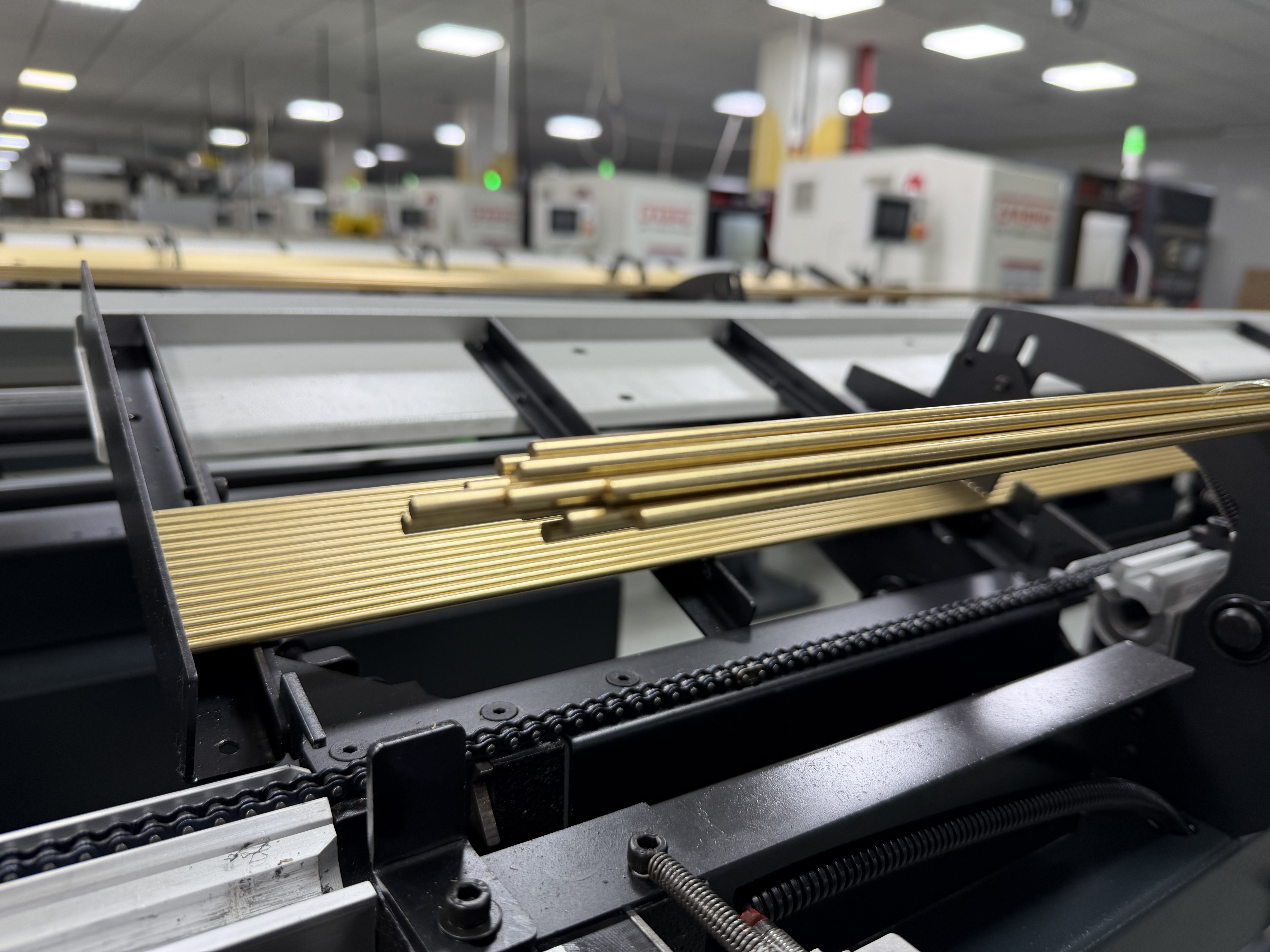
The material utilization efficiency of cnc turning parts represents a significant economic advantage that directly impacts manufacturing costs and environmental sustainability. Unlike traditional manufacturing methods that often require extensive material removal or generate substantial waste, CNC turning processes optimize material usage through precise cutting paths and minimal waste generation. This efficiency begins with advanced CAM software that calculates optimal cutting strategies, determining the most efficient sequence of operations to minimize material waste while achieving required specifications. The computer-controlled nature of CNC turning ensures that every cut serves a specific purpose, eliminating unnecessary material removal that increases costs without adding value. Raw material costs represent a substantial portion of manufacturing expenses, making the efficient utilization provided by cnc turning parts particularly valuable in today's competitive marketplace. The precision of CNC turning allows manufacturers to start with smaller material blanks, reducing initial material costs while still achieving final part specifications. This capability proves especially beneficial when working with expensive materials such as titanium alloys, stainless steels, or exotic metals where material costs can significantly impact project budgets. Additionally, the consistent quality of cnc turning parts reduces scrap rates and rework requirements, further improving overall cost efficiency. When parts meet specifications consistently, manufacturers avoid the costs associated with rejected components, including material costs, labor time, and schedule delays. The automated nature of CNC turning also contributes to cost efficiency by reducing labor requirements and enabling lights-out manufacturing operations. Once programs are established and verified, CNC turning can produce cnc turning parts with minimal operator intervention, reducing labor costs per part while maintaining quality standards. Setup time efficiency provides another cost advantage, as modern CNC turning centers can quickly switch between different part programs without extensive tooling changes or manual adjustments. This flexibility enables cost-effective production of both high-volume runs and smaller batches, making cnc turning parts economically viable across a wide range of production requirements.
Exceptional Design Flexibility and Customization

Exceptional Design Flexibility and Customization

The design flexibility inherent in cnc turning parts opens unprecedented possibilities for component customization and optimization, enabling engineers to create solutions tailored specifically to unique application requirements. This flexibility stems from the programmable nature of CNC turning equipment, where complex geometries and intricate features can be achieved through software programming rather than expensive custom tooling. Engineers can incorporate multiple features into single cnc turning parts, reducing assembly complexity and improving overall system reliability. Advanced CNC turning centers equipped with live tooling capabilities can perform milling, drilling, and tapping operations in addition to traditional turning, creating complex parts that would previously require multiple manufacturing processes. This multi-operation capability reduces handling time, improves dimensional accuracy through reduced setup variations, and enables more sophisticated part designs. The software-driven nature of CNC turning allows for rapid prototyping and design iteration, enabling engineers to test multiple design concepts quickly and cost-effectively. Design changes that would require expensive tooling modifications in traditional manufacturing can be implemented through simple program adjustments in CNC turning operations. This adaptability proves invaluable during product development phases when designs evolve rapidly based on testing results and customer feedback. The ability to produce cnc turning parts with varying complexity levels from the same equipment platform provides exceptional flexibility for manufacturers serving diverse market segments. Simple cylindrical components and complex multi-feature parts can be produced using identical equipment, maximizing capital utilization while maintaining operational flexibility. Material compatibility represents another dimension of design flexibility, with cnc turning parts being producible from virtually any machinable material including metals, plastics, composites, and ceramics. This material versatility enables engineers to select optimal materials for specific applications without manufacturing constraints limiting their choices. Custom surface treatments and coatings can be easily incorporated into cnc turning parts production processes, providing enhanced corrosion resistance, wear characteristics, or aesthetic properties. The flexibility extends to quantity requirements as well, with CNC turning being equally suitable for prototype quantities, medium production runs, and high-volume manufacturing, adapting to changing business needs without requiring different manufacturing approaches.

Get a Free Quote

Our representative will contact you soon.
Email
Mobile/WhatsApp
Name
Company Name
Message
0/1000