Premium Sheet Metal Bending Parts - Precision Manufacturing Solutions

All Categories

Get a Free Quote

Our representative will contact you soon.
Email
Mobile/WhatsApp
Name
Company Name
Message
0/1000

sheet metal bending parts

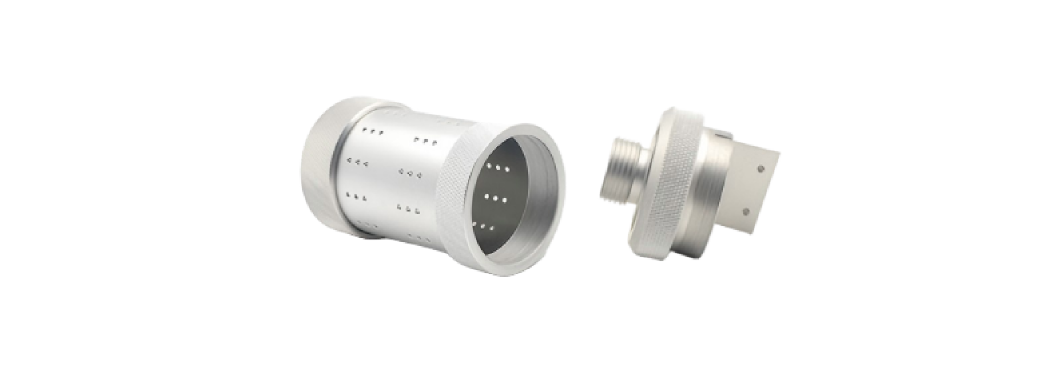
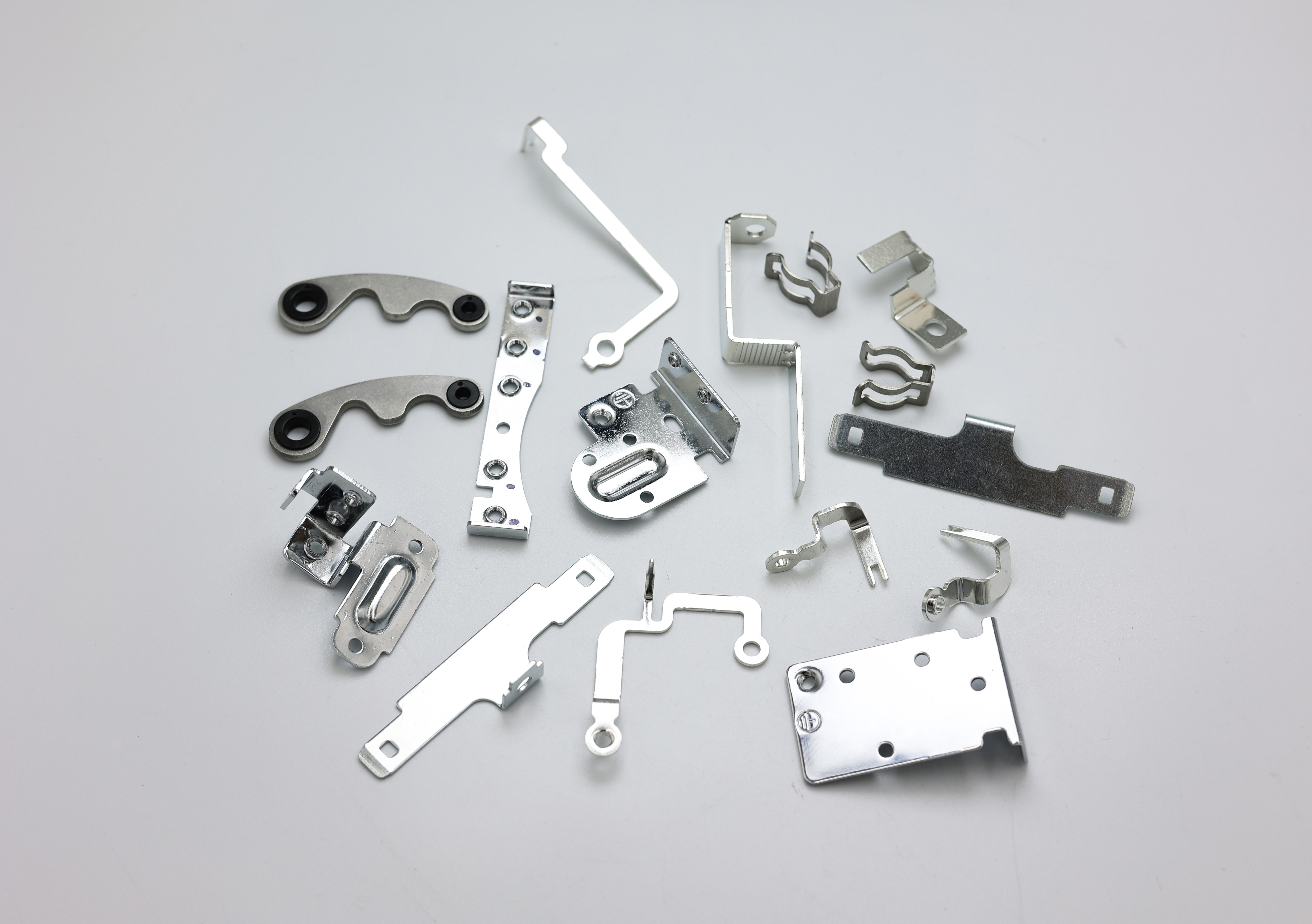
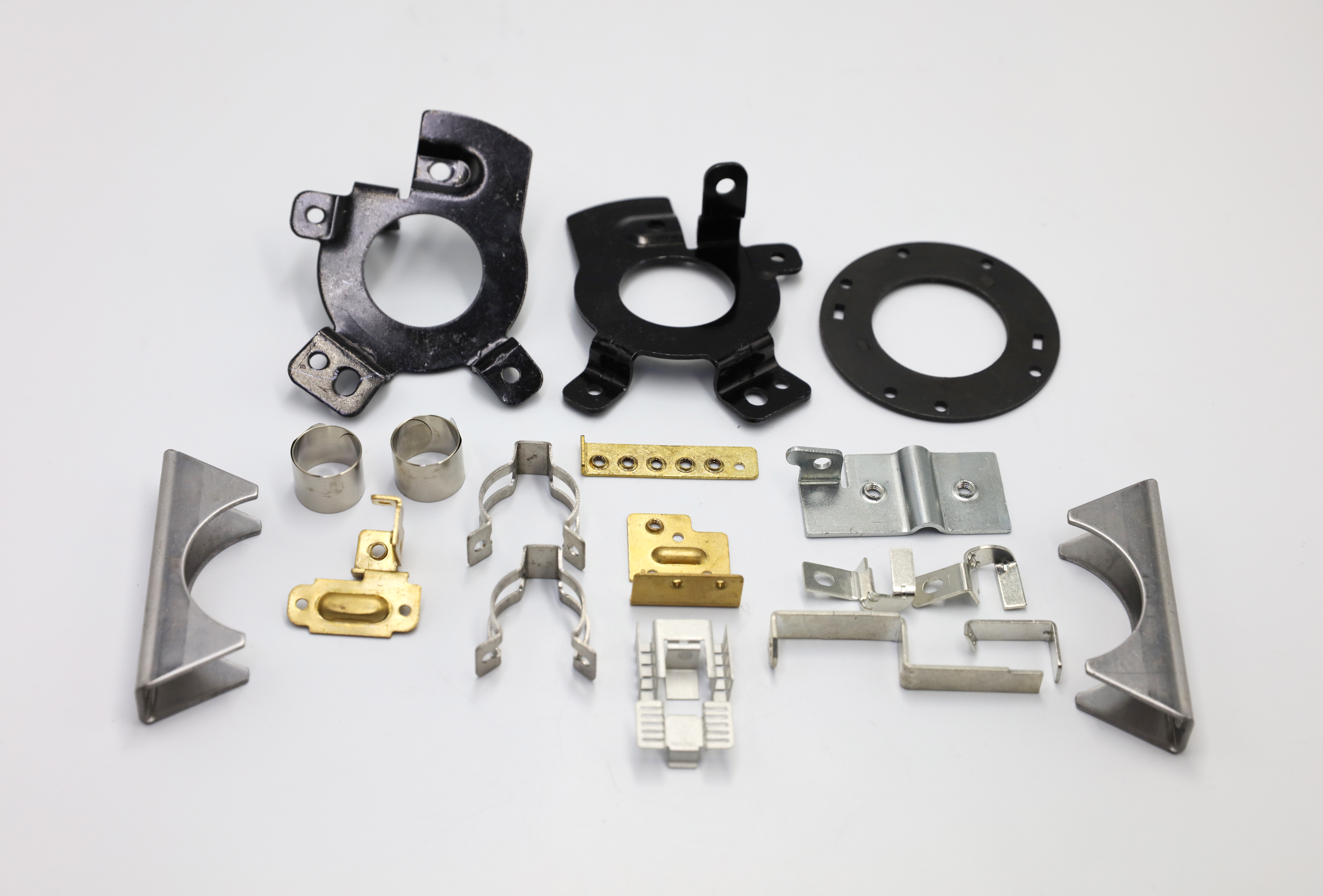
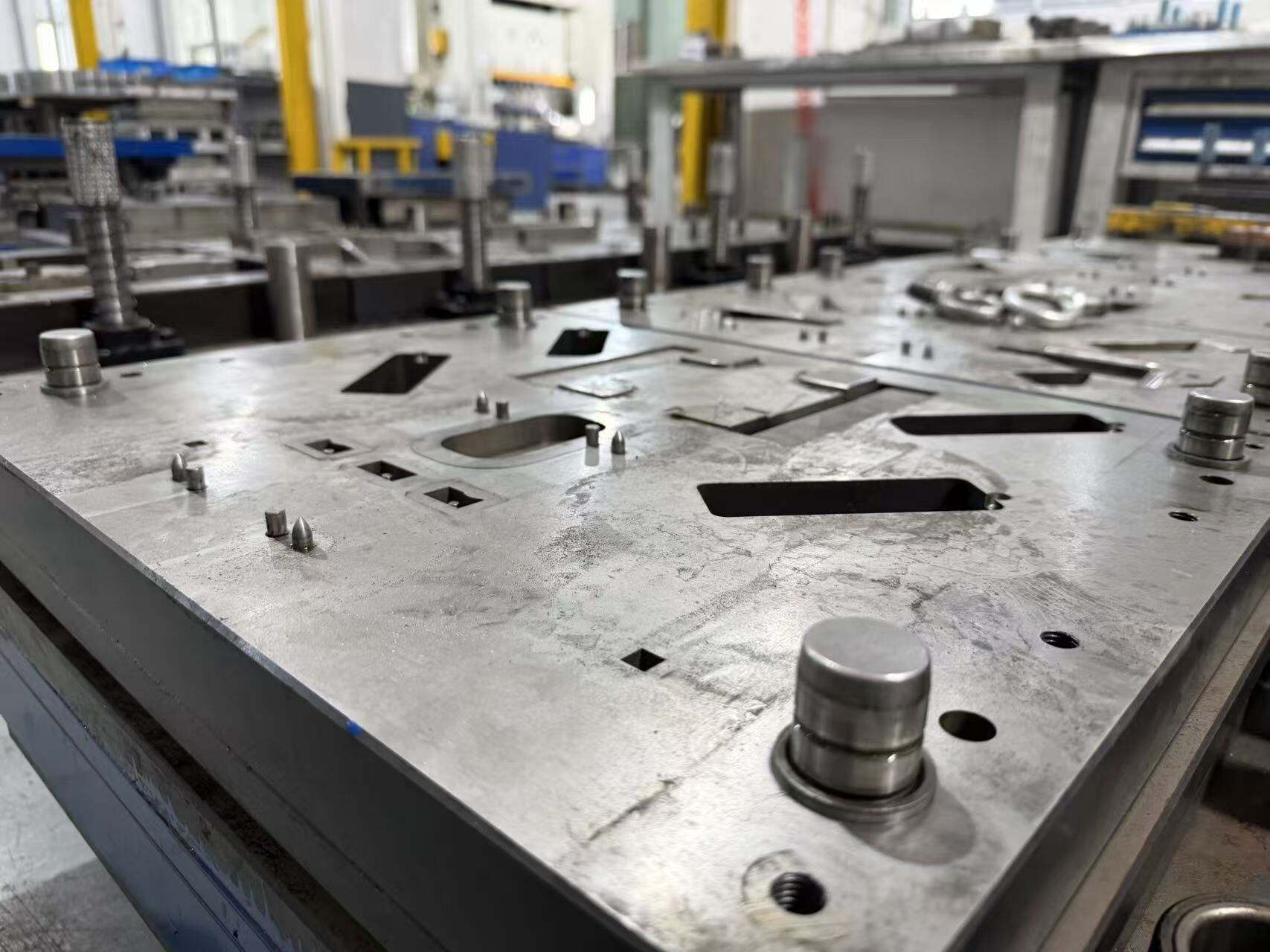
Sheet metal bending parts represent a cornerstone technology in modern manufacturing, delivering precision-engineered components through controlled deformation processes. These specialized components are created by applying calculated force to flat metal sheets, transforming them into three-dimensional shapes that serve countless industrial applications. The fundamental process involves positioning sheet metal over specialized dies and applying pressure through hydraulic, mechanical, or pneumatic systems to achieve desired angles and curves. Sheet metal bending parts encompass a vast range of products, from simple brackets and enclosures to complex architectural elements and automotive components. The technological sophistication behind these parts lies in the precise control of bending radius, angle accuracy, and material integrity throughout the forming process. Modern sheet metal bending operations utilize computer-controlled press brakes and automated systems that ensure consistent quality and dimensional accuracy across production runs. The materials commonly used for sheet metal bending parts include aluminum, stainless steel, carbon steel, copper, and various alloy compositions, each offering distinct properties for specific applications. Thickness ranges typically span from 0.5mm to 25mm, accommodating both delicate electronic housings and robust structural components. Advanced sheet metal bending parts incorporate sophisticated geometries that would be impossible to achieve through traditional machining methods, including compound curves, multiple bend sequences, and integrated forming features. The manufacturing process enables cost-effective production of both prototype quantities and high-volume manufacturing runs, making sheet metal bending parts accessible to diverse industries. Quality control measures throughout production ensure that each component meets stringent dimensional tolerances, surface finish requirements, and mechanical property specifications. These parts serve as critical components in sectors ranging from aerospace and automotive to construction and consumer electronics, demonstrating their versatility and reliability in demanding applications.

New Product Recommendations

Sheet metal bending parts offer substantial cost advantages over alternative manufacturing methods, delivering exceptional value through reduced material waste and streamlined production processes. The bending process maximizes material utilization by transforming single pieces of sheet metal into complex components without generating significant scrap, resulting in lower raw material costs and improved environmental sustainability. Manufacturing efficiency reaches peak performance with sheet metal bending parts, as modern press brake technology enables rapid production cycles that dramatically reduce lead times compared to machining or casting alternatives. The inherent strength characteristics of bent metal components surpass those of welded assemblies, as the continuous material structure eliminates weak points associated with joined seams and maintains superior load-bearing capabilities throughout the component lifecycle. Design flexibility stands as a paramount advantage, allowing engineers to create intricate geometries, multiple bend angles, and integrated features within single components that would require assembly of multiple parts using traditional methods. Sheet metal bending parts demonstrate remarkable consistency in dimensional accuracy, with modern CNC-controlled equipment achieving tolerances within ±0.1mm across production runs, ensuring perfect fit and function in assembly applications. The surface quality of bent components maintains excellent finish characteristics without requiring additional processing, as the bending operation preserves the original sheet metal surface while creating clean, professional edges and corners. Tooling costs for sheet metal bending parts remain significantly lower than those required for casting or forging operations, making this manufacturing method economically viable for both small-batch prototyping and large-scale production requirements. Rapid prototyping capabilities allow designers to iterate quickly through design variations, testing form and function before committing to full production runs, thereby reducing development time and associated costs. The mechanical properties of sheet metal bending parts often exceed those of the original flat material due to work hardening effects that occur during the forming process, resulting in enhanced strength and durability. Quality assurance becomes simplified with sheet metal bending parts, as visual inspection readily identifies any forming defects, and dimensional verification can be performed quickly using standard measuring equipment. Storage and shipping advantages emerge from the compact, nestable designs possible with bent components, reducing logistics costs and warehouse space requirements compared to bulky cast or machined alternatives.

Tips And Tricks

How To Determine The Chemical Stability Of Materials

10

Mar

How To Determine The Chemical Stability Of Materials

View More
Automotive Armrest Slide Rail Production Factory: The Cradle of Quality and Innovation

10

Mar

Automotive Armrest Slide Rail Production Factory: The Cradle of Quality and Innovation

View More

Get a Free Quote

Our representative will contact you soon.
Email
Mobile/WhatsApp
Name
Company Name
Message
0/1000

sheet metal bending parts

Precision Engineering and Dimensional Control

Precision Engineering and Dimensional Control

The precision engineering capabilities of sheet metal bending parts establish new standards for dimensional accuracy and geometric consistency in manufacturing applications. Advanced CNC press brake systems employ sophisticated back-gauge positioning, angle measurement sensors, and adaptive bending controls that ensure each sheet metal bending part meets exact specifications with repeatability that surpasses traditional forming methods. The technological foundation begins with precise material positioning systems that account for material thickness variations, grain direction, and springback characteristics specific to each alloy composition, enabling consistent results across diverse material types and thicknesses. Modern sheet metal bending parts benefit from real-time monitoring systems that continuously measure bend angles during formation, automatically adjusting applied force and die positioning to compensate for material property variations and maintain dimensional integrity. The precision extends to complex multi-bend sequences where accumulated tolerances could traditionally compromise final dimensions, but advanced programming algorithms calculate optimal bend sequences and compensation factors that ensure final assemblies maintain perfect fit characteristics. Quality control integration throughout the bending process includes automated inspection systems that verify bend angles, edge distances, and overall dimensions without interrupting production flow, guaranteeing that every sheet metal bending part meets customer specifications. The geometric capabilities encompass acute angles, obtuse bends, compound curves, and specialized forms such as hemmed edges, offset bends, and coined features that add functional value while maintaining dimensional precision. Springback compensation algorithms built into modern bending systems analyze material properties and automatically adjust tooling positions to account for elastic recovery, ensuring final angles match design specifications regardless of material characteristics or thickness variations. The precision engineering of sheet metal bending parts extends to surface quality control, where specialized tooling and controlled forming speeds prevent marking, scratching, or surface distortion that could compromise appearance or functionality in critical applications.
Versatile Material Compatibility and Structural Integrity

Versatile Material Compatibility and Structural Integrity

Sheet metal bending parts demonstrate exceptional versatility through compatibility with an extensive range of materials, each offering unique properties that expand application possibilities across diverse industries and performance requirements. The structural integrity achieved through controlled bending processes creates components with superior mechanical properties compared to welded assemblies or cast alternatives, as the continuous material grain structure maintains optimal strength characteristics throughout complex geometries. Aluminum sheet metal bending parts provide excellent corrosion resistance and lightweight properties ideal for aerospace, automotive, and architectural applications, while maintaining sufficient strength for structural loads and environmental exposure. Stainless steel variants offer enhanced durability and chemical resistance, making them perfect for food processing equipment, medical devices, and marine applications where hygiene and longevity are paramount concerns. Carbon steel sheet metal bending parts deliver exceptional strength-to-weight ratios and cost-effectiveness for industrial machinery, construction components, and general manufacturing applications requiring robust performance under demanding conditions. The bending process itself enhances material properties through work hardening effects that increase yield strength along bend lines, creating natural reinforcement that improves load-bearing capacity without requiring additional material or processing steps. Specialized alloys including copper, brass, and exotic materials can be formed into sheet metal bending parts for electronic applications, decorative elements, and specialized industrial components where specific electrical, thermal, or aesthetic properties are essential. The structural integrity extends to fatigue resistance, where properly designed bend radii and stress distribution patterns enable sheet metal bending parts to withstand millions of loading cycles without failure, making them ideal for dynamic applications and vibrating machinery. Material thickness compatibility ranges from delicate 0.5mm sheets for electronic enclosures to heavy-gauge 25mm plates for structural applications, demonstrating the scalability and adaptability of sheet metal bending processes across diverse requirements. Surface treatment compatibility allows sheet metal bending parts to accept various finishes including powder coating, plating, anodizing, and painting without compromising dimensional accuracy or structural integrity.
Cost-Effective Production and Design Optimization

Cost-Effective Production and Design Optimization

The cost-effective production advantages of sheet metal bending parts revolutionize manufacturing economics by eliminating multiple processing steps, reducing material waste, and enabling design optimization that delivers superior functionality at lower total costs. Production efficiency begins with single-setup operations that transform flat sheets into complex three-dimensional components without requiring multiple machines, fixtures, or handling operations, dramatically reducing labor costs and production time compared to alternative manufacturing methods. Design optimization opportunities inherent in sheet metal bending parts allow engineers to consolidate multiple components into single bent assemblies, eliminating fasteners, welding operations, and assembly time while improving overall structural integrity and reliability. The economic benefits extend to tooling costs, where simple punch and die sets serve multiple part configurations through programmable positioning systems, avoiding expensive custom tooling required for casting or forging operations while maintaining production flexibility for design changes. Material utilization efficiency reaches optimal levels with sheet metal bending parts, as nesting software maximizes material usage from standard sheet sizes, minimizing waste and reducing raw material costs per component while supporting sustainable manufacturing practices. Inventory management becomes simplified through standardized material procurement, as common sheet sizes and grades serve diverse product lines, reducing carrying costs and simplifying supply chain operations compared to specialized castings or forgings. The scalability of sheet metal bending parts production accommodates everything from prototype quantities to high-volume manufacturing without significant setup cost penalties, enabling cost-effective market testing and gradual production ramp-up based on demand patterns. Lead time advantages provide competitive benefits, as sheet metal bending parts can be produced immediately from standard materials without waiting for casting patterns, forging dies, or specialized tooling, enabling rapid response to customer requirements and market opportunities. Design iteration costs remain minimal with sheet metal bending parts, as programming changes replace expensive tooling modifications, allowing continuous product improvement and customization without significant investment penalties that typically limit design evolution in other manufacturing processes.

Get a Free Quote

Our representative will contact you soon.
Email
Mobile/WhatsApp
Name
Company Name
Message
0/1000