Premium Precision Metal Stamping Parts - High-Quality Components for Industrial Applications

All Categories

Get a Free Quote

Our representative will contact you soon.
Email
Mobile/WhatsApp
Name
Company Name
Message
0/1000

precision metal stamping parts

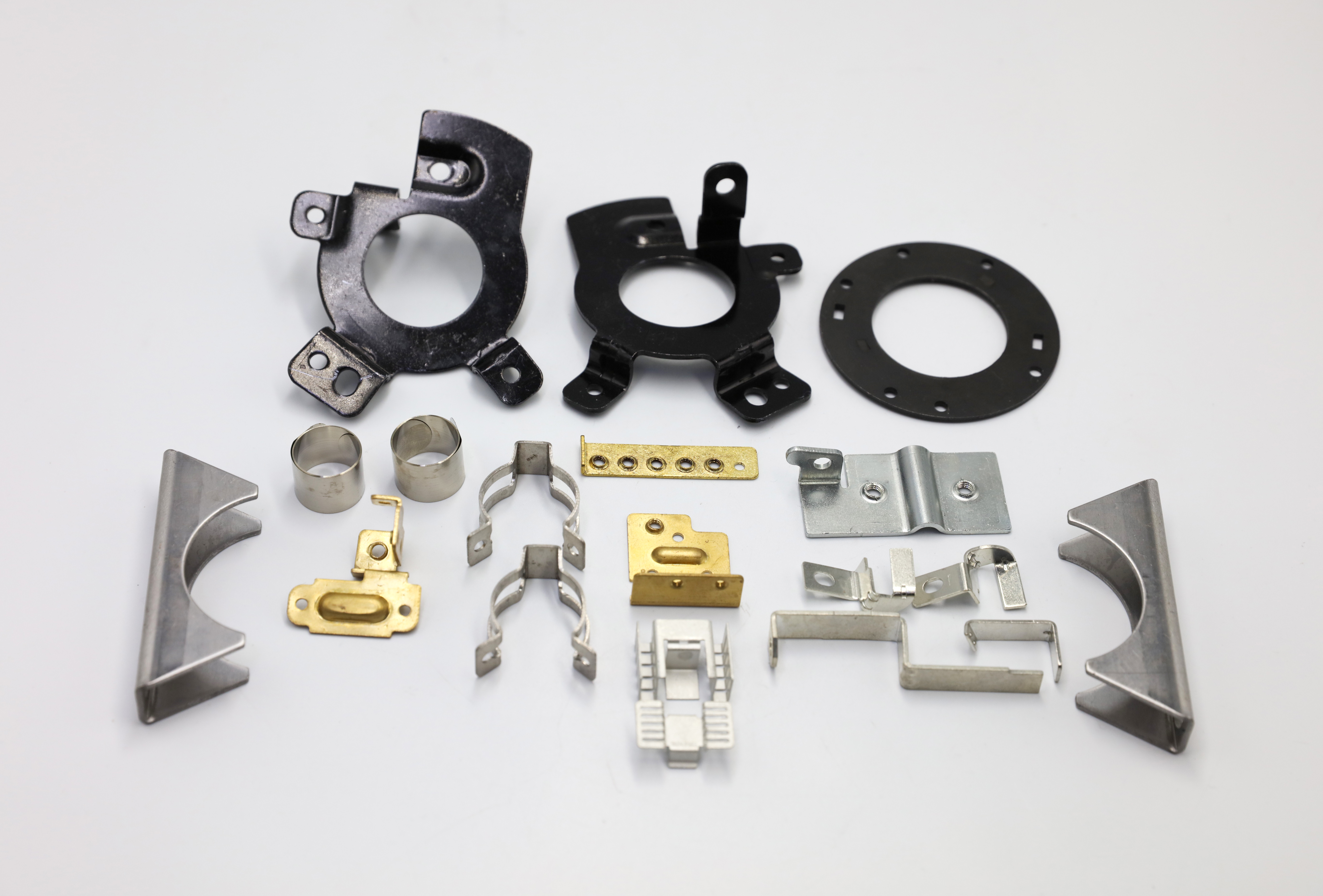
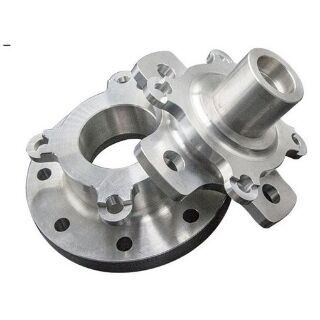
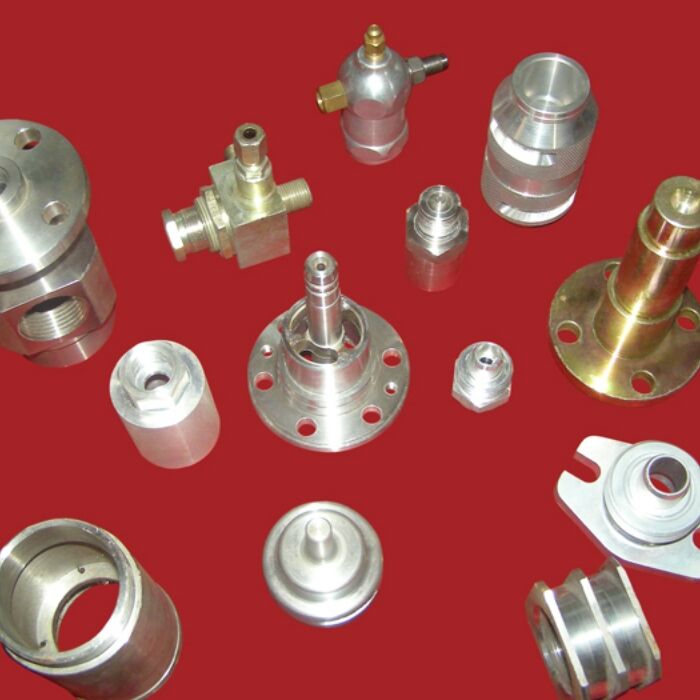
Precision metal stamping parts represent a cornerstone of modern manufacturing, delivering exceptional accuracy and consistency across diverse industrial applications. These components are produced through advanced stamping processes that transform flat metal sheets into complex three-dimensional shapes with remarkable precision. The technology combines sophisticated tooling, computer-controlled machinery, and metallurgical expertise to create parts that meet stringent dimensional tolerances, often within micrometers. The main functions of precision metal stamping parts encompass structural support, electrical connectivity, mechanical actuation, and aesthetic enhancement across countless products. These components serve as critical elements in automotive systems, electronic devices, medical equipment, aerospace applications, and consumer goods. The technological features that distinguish precision metal stamping parts include their ability to maintain consistent wall thickness, achieve intricate geometric configurations, and incorporate multiple forming operations in single production cycles. Advanced stamping techniques enable the creation of complex features such as embossed patterns, coined surfaces, pierced holes, and formed flanges with exceptional repeatability. The manufacturing process utilizes progressive dies, compound dies, and transfer systems that ensure optimal material utilization while minimizing waste. Quality control systems integrated throughout production monitor dimensional accuracy, surface finish, and structural integrity. Material selection plays a crucial role, with precision metal stamping parts manufactured from various alloys including stainless steel, aluminum, brass, copper, and specialized high-performance metals. Surface treatments and coatings enhance corrosion resistance, wear characteristics, and aesthetic appeal. Applications span from microscopic electronic components weighing mere grams to substantial automotive panels requiring precise fitment. The automotive industry relies heavily on precision metal stamping parts for body panels, brackets, connectors, and engine components. Electronics manufacturers depend on these parts for heat sinks, shields, connectors, and housing elements. Medical device producers utilize precision metal stamping parts for surgical instruments, implant components, and diagnostic equipment housings.

Popular Products

Precision metal stamping parts offer numerous compelling advantages that make them indispensable for modern manufacturing operations. Cost effectiveness stands as a primary benefit, as the stamping process enables high-volume production with minimal per-unit costs once tooling is established. This economic efficiency becomes particularly pronounced in large production runs, where the initial tooling investment distributes across thousands or millions of parts. Speed represents another significant advantage, with modern stamping equipment capable of producing hundreds of parts per minute while maintaining consistent quality standards. This rapid production capability enables manufacturers to meet tight delivery schedules and respond quickly to market demands. Material efficiency reaches exceptional levels through precision metal stamping, as advanced nesting algorithms and progressive die designs minimize waste generation. Scrap rates often remain below five percent, contributing to both cost savings and environmental sustainability. The dimensional accuracy achieved through precision metal stamping parts eliminates costly secondary machining operations in many applications. Tolerances consistently held within plus or minus 0.001 inches ensure perfect fit and function in assembly processes. Strength characteristics of precision metal stamping parts often exceed those of alternative manufacturing methods due to work hardening effects during forming. The stamping process aligns grain structure favorably, enhancing mechanical properties without additional heat treatment. Versatility enables precision metal stamping parts to accommodate diverse design requirements, from simple flat washers to complex multi-bend brackets with integrated features. Design flexibility allows engineers to incorporate cost-saving elements such as integral fastening tabs, alignment features, and strengthening ribs. Surface finish quality emerges directly from the stamping process, often eliminating need for additional finishing operations. Tool steel dies impart smooth, consistent surface textures that enhance both appearance and functionality. Repeatability ensures that every precision metal stamping part matches specifications exactly, reducing assembly problems and warranty issues. Statistical process control maintains quality standards across entire production runs. Lead times for precision metal stamping parts typically prove shorter than alternative manufacturing methods once tooling completion occurs. Established suppliers maintain inventory of common materials and can respond rapidly to customer requirements. Integration capabilities allow multiple manufacturing steps to occur within single stamping operations, consolidating production and reducing handling costs.

Tips And Tricks

How To Determine The Chemical Stability Of Materials

10

Mar

How To Determine The Chemical Stability Of Materials

View More
Automotive Armrest Slide Rail Production Factory: The Cradle of Quality and Innovation

10

Mar

Automotive Armrest Slide Rail Production Factory: The Cradle of Quality and Innovation

View More

Get a Free Quote

Our representative will contact you soon.
Email
Mobile/WhatsApp
Name
Company Name
Message
0/1000

precision metal stamping parts

Unmatched Dimensional Accuracy and Consistency

Unmatched Dimensional Accuracy and Consistency

Precision metal stamping parts achieve dimensional accuracy levels that surpass most alternative manufacturing methods, consistently delivering tolerances within micrometers across high-volume production runs. This exceptional accuracy stems from sophisticated tooling systems that incorporate hardened steel dies, precision guide systems, and advanced positioning mechanisms. Computer-controlled stamping presses monitor force, position, and timing parameters throughout each cycle, ensuring that every precision metal stamping part meets exact specifications. The consistency achieved through this process eliminates the dimensional variation commonly associated with other manufacturing techniques. Quality control systems integrate real-time measurement capabilities that detect deviations immediately, triggering automatic adjustments or production stops when necessary. This level of precision proves critical in applications where component fit and function directly impact overall system performance. Automotive manufacturers depend on this accuracy for body panel alignment, engine component clearances, and safety system reliability. Electronics producers require this consistency for connector interfaces, heat sink mounting, and electromagnetic shielding effectiveness. Medical device manufacturers rely on dimensional precision for surgical instrument functionality and implant biocompatibility. The economic benefits of this accuracy extend beyond initial production, as consistent dimensions reduce assembly time, eliminate rework, and minimize field failures. Progressive die systems enable multiple forming operations to occur sequentially while maintaining dimensional relationships between features. Transfer systems precisely position workpieces between stations, ensuring that complex geometries develop correctly throughout the forming sequence. Tool maintenance programs preserve accuracy over extended production runs, with predictive monitoring systems identifying wear patterns before they affect part quality. Statistical process control documentation provides traceable quality records that satisfy regulatory requirements and customer specifications. The dimensional stability of precision metal stamping parts remains consistent across varying production conditions, material batches, and environmental factors.
Superior Material Properties and Structural Integrity

Superior Material Properties and Structural Integrity

Precision metal stamping parts exhibit enhanced material properties and structural integrity that result from the controlled deformation processes inherent in stamping operations. The cold forming nature of stamping creates beneficial work hardening effects that increase yield strength, tensile strength, and fatigue resistance compared to the original material properties. This strengthening occurs through grain structure refinement and dislocation density increases that enhance mechanical performance without requiring additional heat treatment processes. The material flow patterns achieved during stamping align favorably with stress directions in service applications, optimizing load distribution and preventing premature failure modes. Precision metal stamping parts demonstrate superior fatigue resistance due to compressive residual stresses induced during forming operations. These beneficial stress states counteract tensile stresses encountered during service, extending component life significantly. Surface integrity remains excellent throughout the stamping process, as controlled deformation eliminates the micro-cracks and surface defects sometimes associated with machining operations. The grain flow follows part contours naturally, creating reinforcement along critical stress paths. Material selection options for precision metal stamping parts encompass a broad range of alloys, each offering specific property combinations suited to particular applications. High-strength steels provide exceptional load-bearing capability, while aluminum alloys offer lightweight solutions with excellent corrosion resistance. Stainless steel grades combine strength with chemical resistance, making them ideal for harsh environment applications. Copper alloys deliver superior electrical and thermal conductivity for electronic applications. Advanced high-strength steels enable weight reduction without compromising structural performance. The forming process preserves material continuity, eliminating the joint lines and potential failure points associated with welded or bonded assemblies. Thickness distribution remains uniform throughout formed sections, preventing stress concentrations that could initiate crack propagation. Quality control testing verifies material properties through standardized mechanical testing protocols, ensuring that strength requirements are consistently met. Metallurgical analysis confirms grain structure optimization and identifies any processing anomalies that might affect performance.
Exceptional Production Efficiency and Cost-Effectiveness

Exceptional Production Efficiency and Cost-Effectiveness

Precision metal stamping parts deliver unmatched production efficiency and cost-effectiveness through optimized manufacturing processes that maximize output while minimizing resource consumption. High-speed stamping operations achieve production rates exceeding 1000 parts per hour, enabling rapid fulfillment of large orders while maintaining consistent quality standards. This production velocity results from advanced press technology, optimized die designs, and automated material handling systems that minimize cycle times between operations. The cost-effectiveness of precision metal stamping parts becomes particularly evident in high-volume applications where tooling costs distribute across numerous units, reducing per-piece expenses significantly. Progressive die systems consolidate multiple forming operations into single press cycles, eliminating intermediate handling steps and reducing labor requirements. Material utilization rates typically exceed 85 percent through sophisticated nesting algorithms and strip layout optimization, minimizing raw material waste and associated costs. Automated feeding systems ensure consistent material positioning and eliminate manual handling errors that could cause production delays or quality issues. Quick die change capabilities enable efficient transitions between different precision metal stamping parts, reducing setup times and increasing overall equipment effectiveness. Preventive maintenance programs maximize uptime while minimizing unexpected production interruptions that could impact delivery schedules. Energy efficiency remains high due to the mechanical nature of stamping operations, which require less energy input compared to thermal or chemical processing methods. Scrap material generated during production maintains value through recycling programs, offsetting raw material costs and supporting environmental sustainability initiatives. Labor productivity reaches exceptional levels through automation integration and optimized workflow designs that minimize manual intervention requirements. Quality control automation reduces inspection time while improving defect detection reliability, ensuring that only conforming precision metal stamping parts reach customers. Inventory management benefits from predictable production rates and consistent quality, enabling lean manufacturing principles and reducing working capital requirements. Supply chain integration facilitates just-in-time delivery schedules that align with customer assembly operations, minimizing inventory carrying costs throughout the value chain. Production scalability accommodates varying demand levels efficiently, with capacity adjustments achievable through shift scheduling and equipment utilization optimization.

Get a Free Quote

Our representative will contact you soon.
Email
Mobile/WhatsApp
Name
Company Name
Message
0/1000