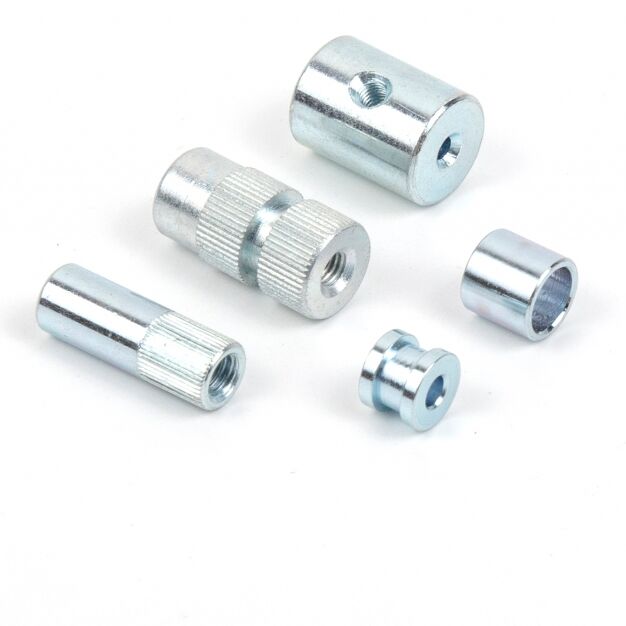
Premium Metal CNC Machined Parts - Precision Manufacturing Solutions

All Categories

Get a Free Quote

Our representative will contact you soon.
Email
Mobile/WhatsApp
Name
Company Name
Message
0/1000

metal cnc machined parts

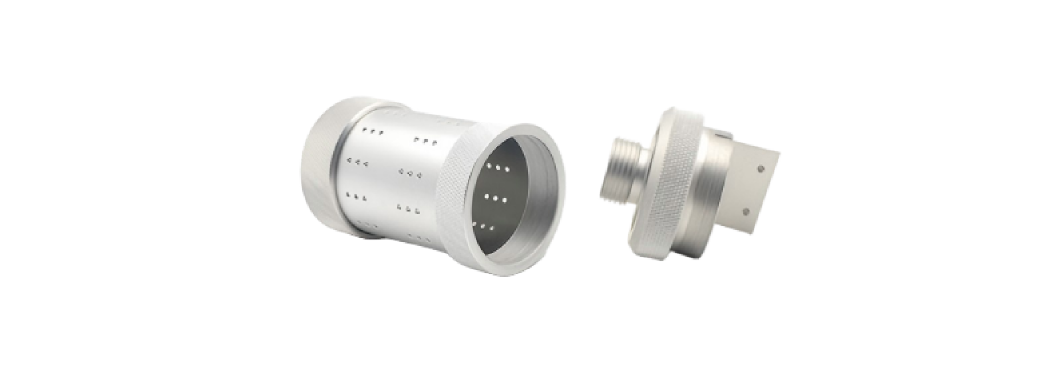
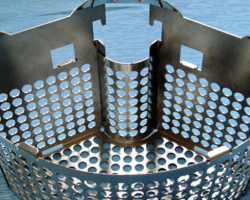
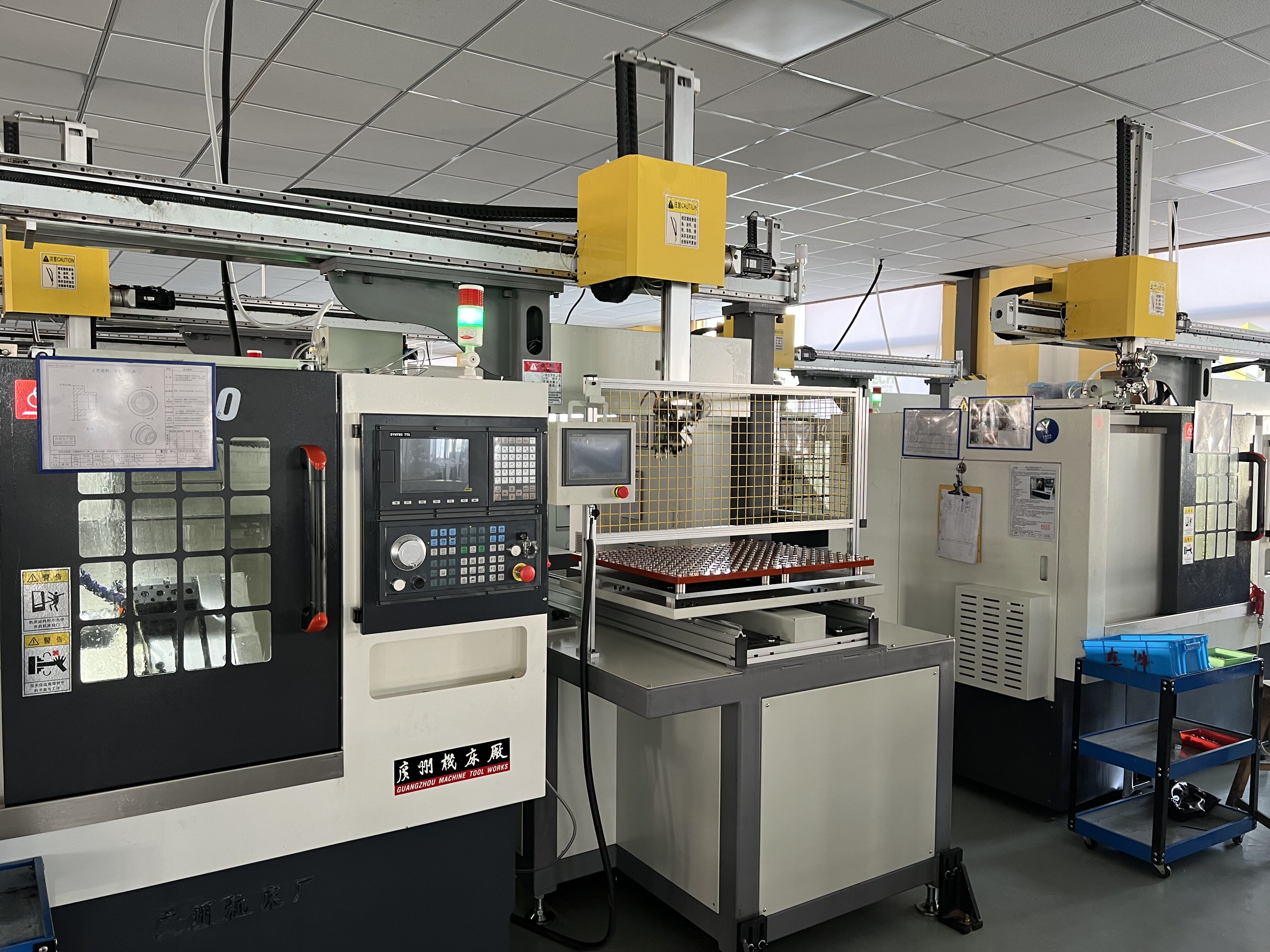
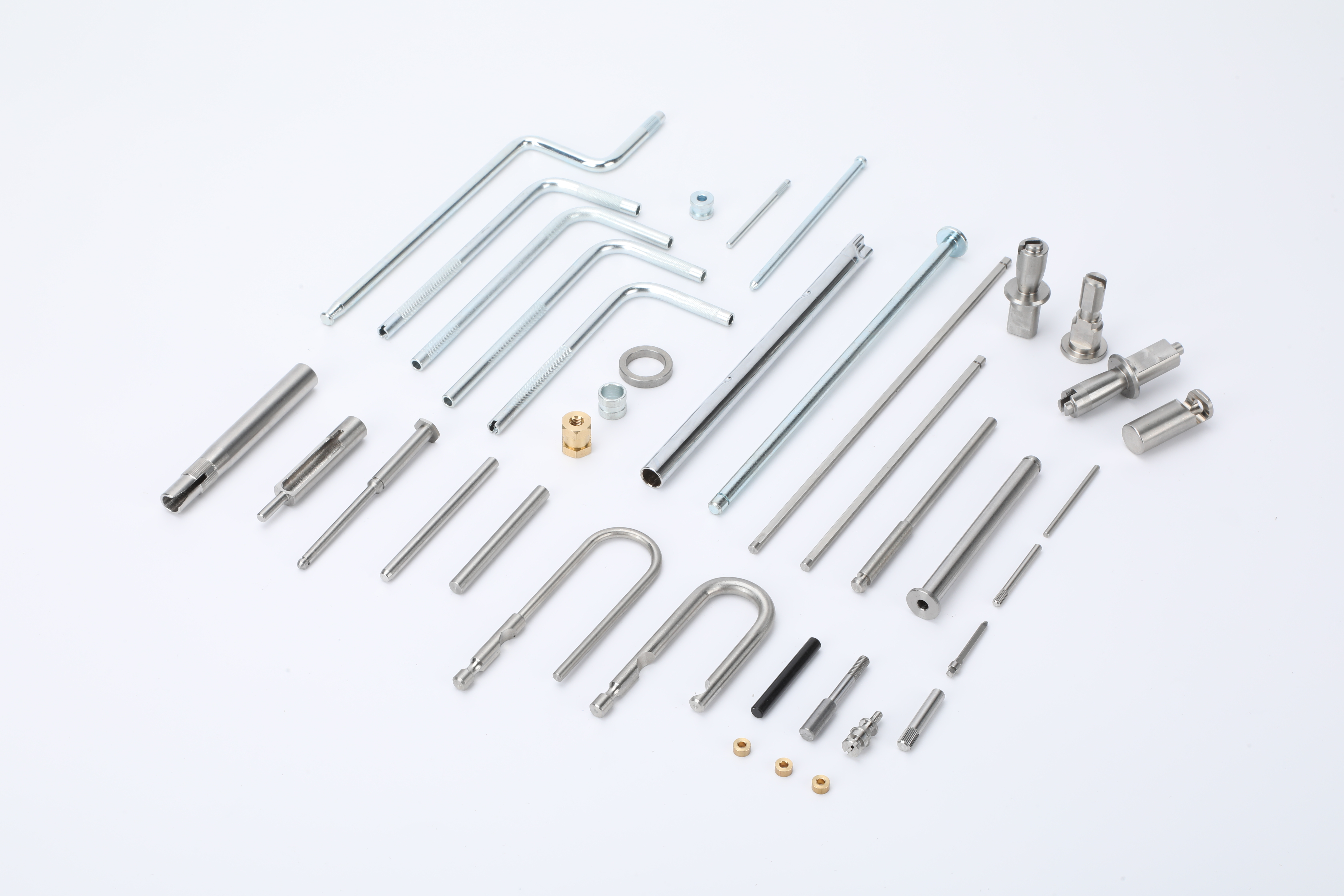
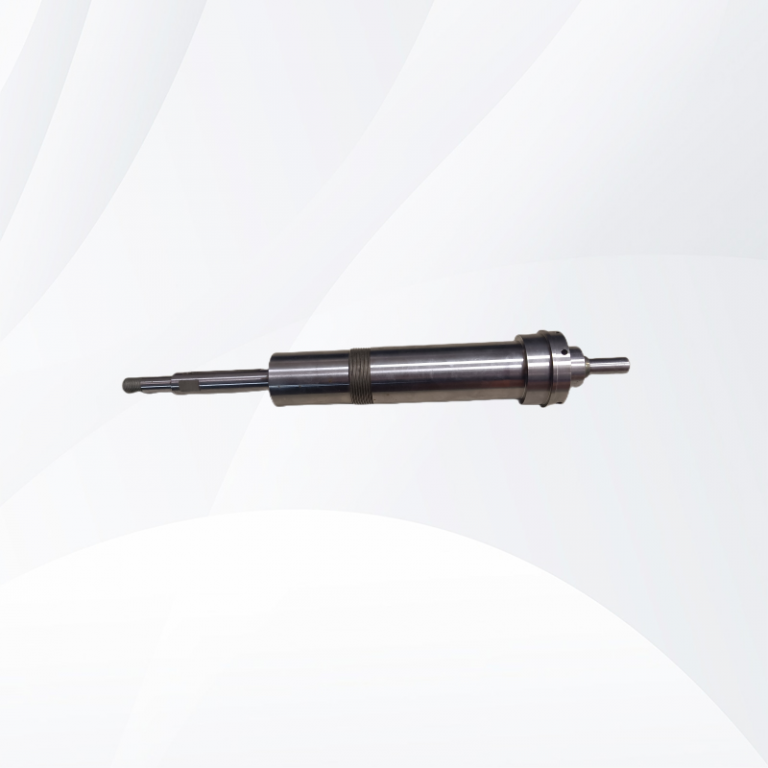
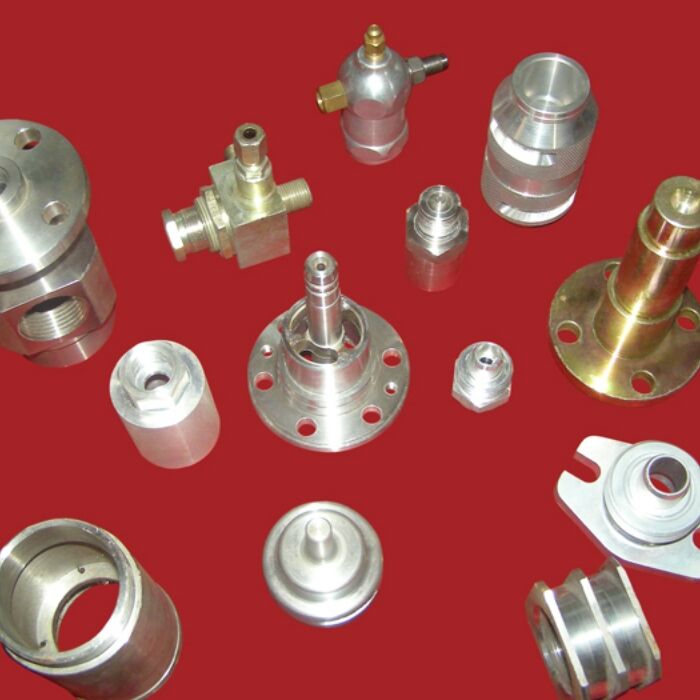
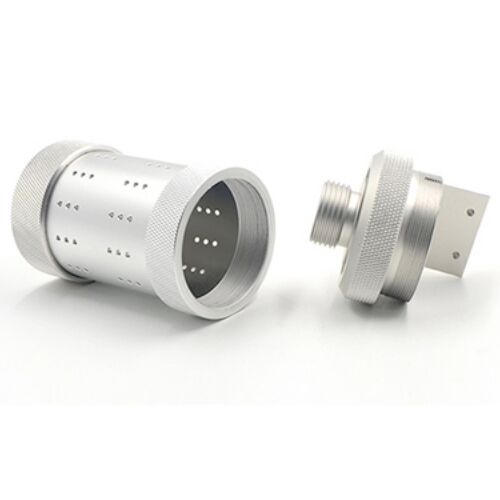
Metal CNC machined parts represent a cornerstone of modern manufacturing, delivering exceptional precision and reliability across countless industrial applications. Computer Numerical Control (CNC) machining transforms raw metal materials into precisely engineered components through automated cutting, drilling, milling, and turning processes. This advanced manufacturing technique utilizes computer-controlled machinery to execute complex operations with remarkable accuracy, typically achieving tolerances within ±0.001 inches or even tighter specifications. The primary function of metal CNC machined parts involves providing critical components that meet exact dimensional requirements while maintaining superior surface finishes and structural integrity. These components serve as essential elements in mechanical assemblies, electronic housings, automotive systems, aerospace structures, medical devices, and industrial equipment. The technological features of metal CNC machined parts include multi-axis capabilities that enable complex geometries, automated tool changers for efficient production runs, and real-time monitoring systems that ensure consistent quality throughout the manufacturing process. CNC machining can work with various metals including aluminum, steel, titanium, brass, copper, and exotic alloys, each offering unique properties for specific applications. The process begins with detailed CAD models that translate into precise G-code instructions, directing the CNC machine through every cutting operation. Advanced CNC centers feature sophisticated spindles capable of high-speed operations, rigid machine structures that minimize vibration, and coolant systems that maintain optimal cutting conditions. Applications for metal CNC machined parts span across industries where precision matters most. In aerospace, these components form critical flight control systems and engine parts. Automotive manufacturers rely on CNC machined parts for engine blocks, transmission components, and safety systems. Medical device companies utilize these parts for surgical instruments, implants, and diagnostic equipment. The electronics industry depends on precisely machined enclosures, heat sinks, and connector components. Industrial machinery incorporates CNC machined parts in pumps, valves, and automation systems where reliability and accuracy are paramount for operational success.

New Product Recommendations

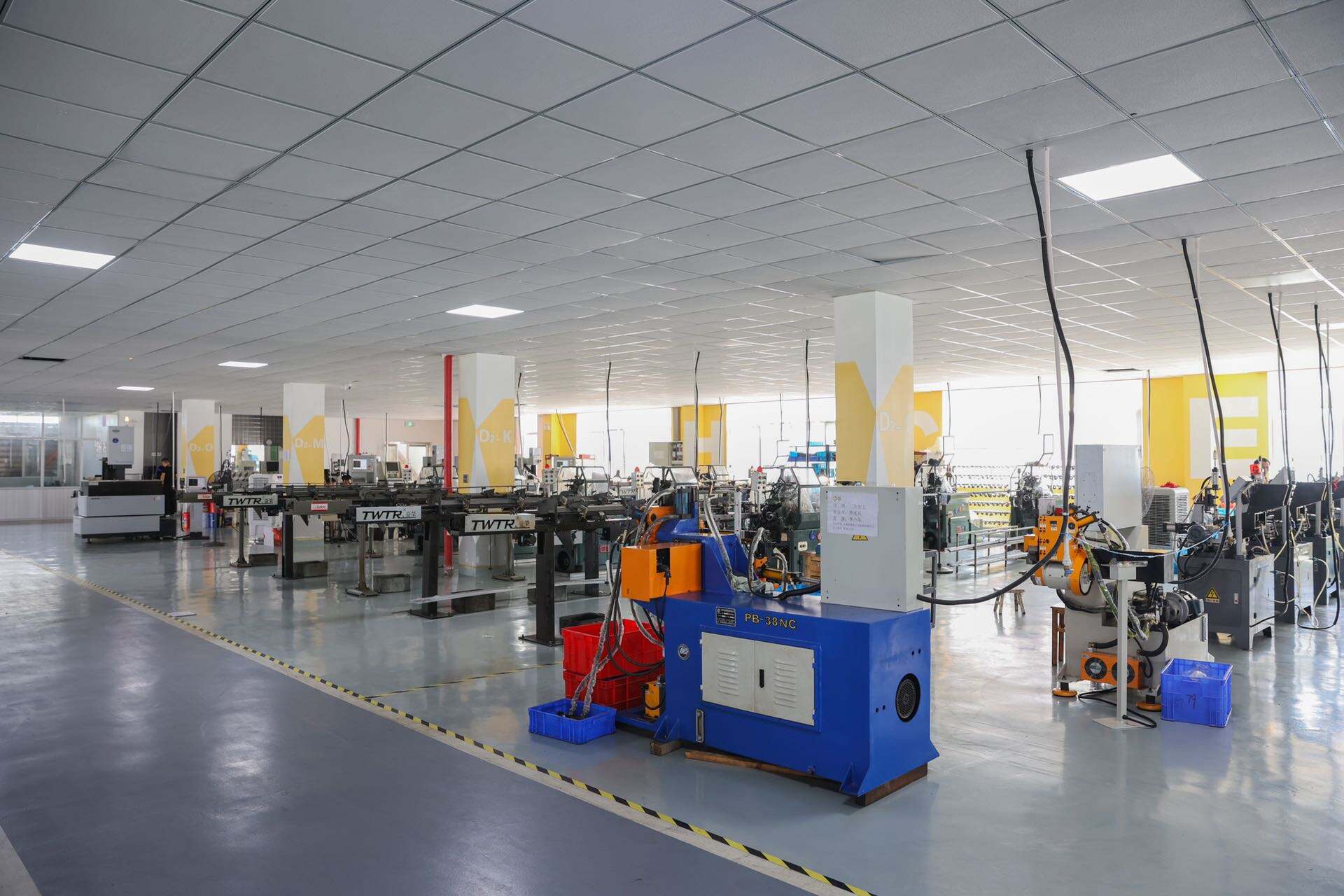
Metal CNC machined parts offer numerous compelling advantages that make them the preferred choice for demanding manufacturing applications. The most significant benefit lies in their exceptional precision capabilities, which consistently deliver parts within extremely tight tolerances that manual machining simply cannot achieve. This precision translates directly into better product performance, reduced assembly time, and lower rejection rates during quality control inspections. CNC machining eliminates human error from the manufacturing equation, ensuring that every part matches the original specifications exactly. Another major advantage involves the repeatability of metal CNC machined parts, where thousands of identical components can be produced with virtually no variation between pieces. This consistency proves invaluable for manufacturers who require interchangeable parts or need to maintain strict quality standards across large production volumes. The automated nature of CNC machining also enables continuous operation, allowing production to continue around the clock without operator intervention, significantly increasing output capacity while reducing labor costs. Material versatility represents another key strength of metal CNC machined parts, as the process accommodates an extensive range of metals and alloys with different hardness levels, from soft aluminum to hardened tool steels. This flexibility allows engineers to select the optimal material for each specific application without being constrained by manufacturing limitations. CNC machining can handle complex geometries that would be impossible or prohibitively expensive using traditional manufacturing methods, including internal cavities, undercuts, angled surfaces, and intricate details that require multiple setup operations. The superior surface finish achieved through CNC machining often eliminates the need for secondary finishing operations, reducing overall production time and costs. Quality control becomes more manageable with metal CNC machined parts because the process parameters remain constant, making it easier to predict and maintain desired outcomes. Lead times are typically shorter compared to other manufacturing methods, especially for prototype development and small to medium production runs. The digital nature of CNC programming allows for rapid design modifications without retooling costs, enabling faster response to engineering changes or customer requirements. Cost-effectiveness emerges through reduced waste material, as CNC machining optimizes cutting paths to minimize scrap, and the precision of the process reduces the need for rework or replacement parts due to dimensional inaccuracies.

Tips And Tricks

How To Determine The Chemical Stability Of Materials

10

Mar

How To Determine The Chemical Stability Of Materials

View More
Automotive Armrest Slide Rail Production Factory: The Cradle of Quality and Innovation

10

Mar

Automotive Armrest Slide Rail Production Factory: The Cradle of Quality and Innovation

View More
How To Choose Appropriate Automotive Parts According To Testing Standards

10

Mar

How To Choose Appropriate Automotive Parts According To Testing Standards

View More

Get a Free Quote

Our representative will contact you soon.
Email
Mobile/WhatsApp
Name
Company Name
Message
0/1000

metal cnc machined parts

Unmatched Precision and Dimensional Accuracy

Unmatched Precision and Dimensional Accuracy

The precision capabilities of metal CNC machined parts set them apart as the gold standard for manufacturing applications where dimensional accuracy is critical. Modern CNC machines achieve tolerances as tight as ±0.0001 inches, a level of precision that ensures perfect fit and function in demanding applications. This extraordinary accuracy stems from the computer-controlled nature of the machining process, where every movement is calculated and executed with mathematical precision. Unlike manual machining operations that rely on human skill and are subject to fatigue and variation, CNC machines maintain consistent performance throughout entire production runs. The precision of metal CNC machined parts directly impacts product quality, performance, and longevity. In aerospace applications, where safety is paramount, the dimensional accuracy of CNC machined components ensures proper clearances, optimal stress distribution, and reliable operation under extreme conditions. Medical device manufacturers depend on this precision for implants that must integrate seamlessly with human anatomy, and for surgical instruments that require exact dimensions for proper functionality. The automotive industry leverages CNC precision for engine components where tolerances affect performance, fuel efficiency, and emissions compliance. This level of accuracy also reduces assembly time and costs, as parts fit together correctly the first time without adjustment or modification. The precision extends beyond basic dimensions to include surface finish quality, with CNC machining capable of producing mirror-like finishes or specific surface textures as required. Advanced CNC systems incorporate real-time measurement and compensation systems that monitor tool wear and automatically adjust cutting parameters to maintain dimensional accuracy throughout the machining process. This continuous monitoring ensures that the first part and the last part in a production run meet identical specifications. The precision of metal CNC machined parts also enables the creation of complex assemblies with multiple components that must work together seamlessly, as each individual part maintains its specified dimensions within tight tolerances. This reliability in dimensional accuracy reduces warranty claims, improves customer satisfaction, and enhances the reputation of manufacturers who utilize CNC machined components in their products.
Exceptional Material Versatility and Strength

Exceptional Material Versatility and Strength

Metal CNC machined parts demonstrate remarkable versatility in material selection, accommodating virtually any machinable metal or alloy to meet specific application requirements. This flexibility enables engineers to optimize material properties for each unique application, whether prioritizing strength, corrosion resistance, weight reduction, or thermal conductivity. Aluminum alloys offer excellent strength-to-weight ratios and corrosion resistance, making them ideal for aerospace and automotive applications where weight savings translate to improved performance and fuel efficiency. Stainless steel provides superior corrosion resistance and biocompatibility for medical devices and food processing equipment. Tool steels offer exceptional hardness and wear resistance for cutting tools and industrial machinery components. Titanium combines strength, lightness, and biocompatibility for aerospace and medical implants. Brass and copper provide excellent electrical conductivity for electronic applications, while exotic alloys like Inconel offer high-temperature performance for turbine engines and chemical processing equipment. The CNC machining process preserves the inherent material properties while creating precise geometries, ensuring that the finished parts retain their designed mechanical characteristics. Advanced CNC programming optimizes cutting parameters for each specific material, adjusting speeds, feeds, and tooling to achieve optimal results while minimizing tool wear and maintaining surface quality. Heat treatment and stress-relief processes can be integrated into the manufacturing workflow to enhance material properties further. The ability to machine different materials using the same equipment and setup procedures provides significant cost advantages and scheduling flexibility for manufacturers. Quality control becomes more predictable when working with known material properties, as engineers can accurately predict how each material will respond to machining operations and design accordingly. Material traceability is maintained throughout the CNC machining process, providing documentation that meets aerospace, medical, and automotive industry requirements for material certification. The strength characteristics of metal CNC machined parts often exceed those of cast or formed alternatives, as the machining process does not introduce porosity or grain structure irregularities that can compromise mechanical properties. This material integrity ensures reliable performance in critical applications where component failure could have serious consequences.
Cost-Effective Production and Rapid Turnaround

Cost-Effective Production and Rapid Turnaround

Metal CNC machined parts deliver exceptional cost-effectiveness through efficient production processes that minimize waste, reduce labor requirements, and accelerate time-to-market for new products. The automated nature of CNC machining eliminates the need for skilled manual machinists for routine operations, reducing labor costs while improving consistency and quality. Setup times are significantly reduced compared to conventional machining, as CNC programs can be loaded quickly and machines can be configured automatically for each new job. This efficiency translates to lower per-part costs, especially for medium to high-volume production runs. The precision of CNC machining reduces material waste by optimizing cutting paths and minimizing the amount of raw material removed during the manufacturing process. Advanced CAM software calculates the most efficient toolpaths to reduce cycle times while maintaining quality standards. The ability to machine multiple parts simultaneously using fixtures and multi-spindle machines further reduces per-part costs by maximizing machine utilization. Rapid prototyping capabilities enable faster product development cycles, as design concepts can be quickly transformed into physical parts for testing and validation. This speed advantage helps companies respond more quickly to market opportunities and customer requirements. The digital nature of CNC programming allows for easy modification and optimization of existing programs, reducing the time and cost associated with design changes or process improvements. Tool life is optimized through precise control of cutting parameters, reducing tooling costs and minimizing machine downtime for tool changes. Quality control costs are reduced because CNC machined parts require less inspection and rework compared to manually machined components. The consistency of the process means that once a program is proven, subsequent parts will meet specifications without additional adjustment. Inventory costs can be minimized through just-in-time production capabilities, as CNC machines can quickly produce parts as needed rather than requiring large inventory stockpiles. The flexibility to produce different parts on the same machine reduces equipment investment requirements compared to dedicated manufacturing systems. Long-term cost benefits emerge from the reliability and longevity of metal CNC machined parts, which typically require less maintenance and replacement compared to parts produced through other manufacturing methods. This durability reduces total cost of ownership for end users and enhances the value proposition of products incorporating CNC machined components.

Get a Free Quote

Our representative will contact you soon.
Email
Mobile/WhatsApp
Name
Company Name
Message
0/1000